

As a supplier of Water Pump Impellers, I've witnessed firsthand the intricate relationship between water temperature and the performance of these crucial components. In this blog, I'll delve into the scientific aspects of how water temperature affects the performance of a water pump impeller, drawing on my experience in the industry and relevant scientific knowledge.
Understanding the Basics of a Water Pump Impeller
Before we explore the impact of water temperature, let's briefly understand what a water pump impeller is. A Water Pump Impeller is a rotating component within a water pump that is responsible for transferring energy from the motor to the water. It consists of a series of curved blades that spin at high speeds, creating a centrifugal force that moves the water through the pump and into the desired system.
The performance of a water pump impeller is typically measured in terms of its efficiency, flow rate, and head. Efficiency refers to the ratio of the useful work done by the pump to the energy input. Flow rate is the volume of water that the pump can move per unit of time, usually measured in gallons per minute (GPM) or cubic meters per hour (m³/h). Head, on the other hand, is the height to which the pump can lift the water, measured in feet or meters.
How Water Temperature Affects Viscosity
One of the primary ways in which water temperature affects the performance of a water pump impeller is through its impact on the viscosity of the water. Viscosity is a measure of a fluid's resistance to flow. As the temperature of water increases, its viscosity decreases. This means that warmer water flows more easily than colder water.
When the water is cold, its higher viscosity can cause several issues for the water pump impeller. The increased resistance to flow requires the impeller to work harder to move the water, which can lead to a decrease in efficiency. The pump may also experience a reduction in flow rate as the impeller struggles to overcome the higher viscosity. In extreme cases, the impeller may even become overloaded, leading to premature wear and tear or even failure.
Conversely, when the water is warm, its lower viscosity allows the impeller to move the water more easily. This results in increased efficiency and a higher flow rate. The pump can operate more smoothly and with less strain on the impeller, which can extend its lifespan.
Thermal Expansion and Material Compatibility
Another factor to consider is the effect of water temperature on thermal expansion. As the temperature of the water increases, it expands, which can put additional stress on the water pump impeller and other components of the pump. If the impeller is not designed to accommodate this expansion, it can lead to issues such as misalignment, leakage, and reduced performance.
In addition to thermal expansion, the compatibility of the impeller material with the water temperature is also crucial. Different materials have different temperature limits, and using an impeller made of a material that is not suitable for the operating temperature can result in deformation, corrosion, or other forms of damage. For example, some plastics may soften or melt at high temperatures, while certain metals may become brittle at low temperatures.
As a supplier, we offer a range of Water Pump Impellers made from various materials, each selected for its specific properties and suitability for different temperature ranges. We also provide guidance on material selection to ensure that our customers choose the right impeller for their application.
Cavitation and Temperature
Cavitation is another phenomenon that can be affected by water temperature. Cavitation occurs when the pressure in the liquid drops below its vapor pressure, causing the formation of vapor bubbles. These bubbles then collapse when they reach a region of higher pressure, creating shock waves that can damage the impeller and other pump components.
The vapor pressure of water increases with temperature. This means that at higher temperatures, the water is more likely to reach its vapor pressure and form bubbles, increasing the risk of cavitation. To prevent cavitation, it is important to ensure that the pump is operating within its recommended pressure and temperature limits.
Impact on Seal and Bearing Performance
The temperature of the water can also have an impact on the performance of the seals and bearings in the water pump. Seals are used to prevent leakage of the water from the pump, while bearings support the rotating components and reduce friction.
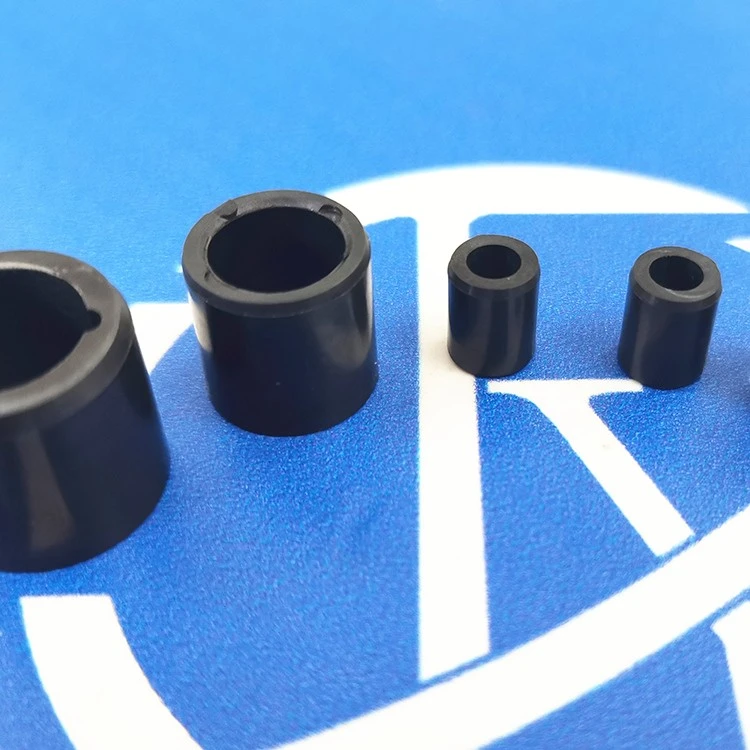
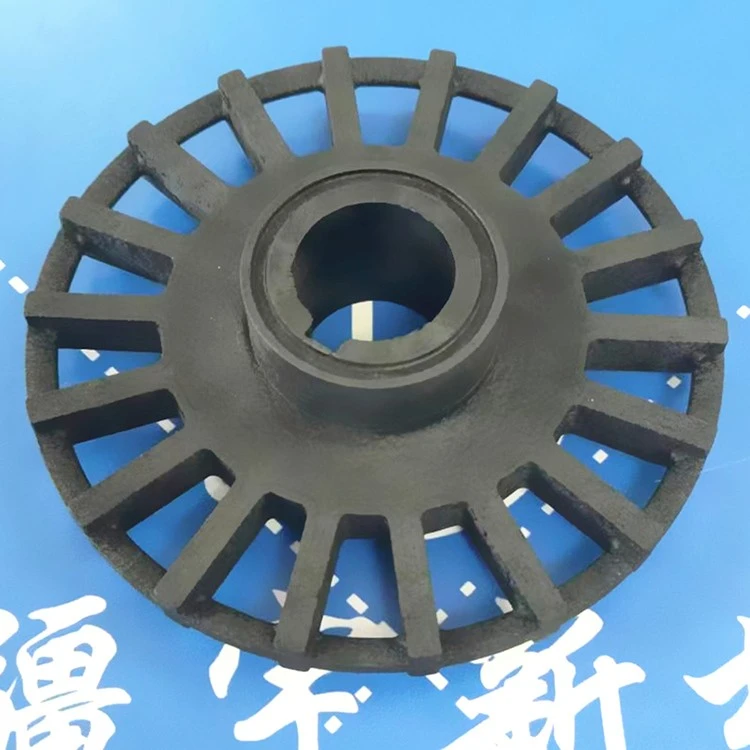
High temperatures can cause the seals to degrade more quickly, leading to leakage and reduced performance. The lubricating properties of the water may also change at high temperatures, which can affect the performance of the bearings. For example, Self-lubricating Sliding Bearings rely on a thin film of lubricant to reduce friction. If the temperature is too high, this film may break down, leading to increased friction and wear.
On the other hand, low temperatures can cause the seals to become brittle and less flexible, increasing the risk of leakage. The viscosity of the lubricant in the bearings may also increase at low temperatures, making it more difficult for the bearings to operate smoothly.
Practical Considerations for Design and Operation
When designing a water pump system, it is essential to take into account the expected water temperature range. This includes selecting the appropriate impeller material, size, and design to ensure optimal performance under different temperature conditions. For example, in applications where the water temperature is likely to be high, a larger impeller with a more robust design may be required to handle the increased stress.
During operation, it is important to monitor the water temperature and take appropriate measures to maintain it within the recommended range. This may involve using a temperature control system, such as a heat exchanger or a cooling tower, to regulate the water temperature. Regular maintenance and inspection of the pump components are also crucial to detect and address any issues related to temperature effects early on.
Conclusion
In conclusion, the temperature of the water has a significant impact on the performance of a water pump impeller. From affecting the viscosity of the water to causing thermal expansion and increasing the risk of cavitation, temperature can influence various aspects of the impeller's operation. As a supplier of Water Pump Impellers, we understand the importance of considering these factors when selecting and designing impellers for different applications.
If you are in the market for a water pump impeller or have any questions about how water temperature may affect your specific application, we invite you to contact us for a professional consultation. Our team of experts is ready to assist you in choosing the right impeller and providing you with the best solutions for your needs.
References
- Incropera, F. P., & DeWitt, D. P. (2002). Fundamentals of Heat and Mass Transfer. John Wiley & Sons.
- Shames, I. H. (1992). Mechanics of Fluids. McGraw-Hill.
- Stepanoff, A. J. (1957). Centrifugal and Axial Flow Pumps: Theory, Design, and Application. John Wiley & Sons.