

Hey there! As a supplier of between bearings pumps, I've had my fair share of experiences with these bad boys. One question that comes up a lot is how to stop a between bearings pump. Well, I'm here to break it down for you in plain English (or should I say, plain American English?).
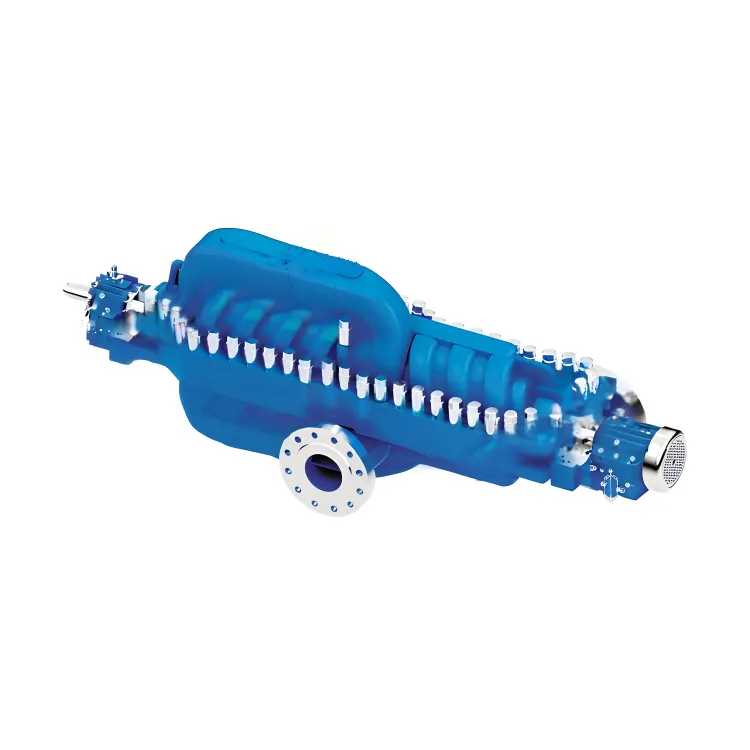
First off, let's talk about what a between bearings pump is. It's a type of pump where the impeller is supported between two bearings. This design gives it some great advantages, like better stability and less vibration. We offer a variety of between bearings pumps, such as the High Pressure Mutistage Axial Split Pump, Horizontal/vertical Double Suction Axial Split Pump, and Dual-stages Double Suction Radially Split Pump. Each of these pumps has its own unique features and applications, but the basic process of stopping them is pretty similar.
Step 1: Check the System Conditions
Before you go ahead and stop the pump, you need to make sure that the system is in a safe state. This means checking the pressure, temperature, and flow rate of the fluid being pumped. If the pressure is too high, stopping the pump suddenly could cause a water hammer effect, which can damage the pump and the piping system. You should also make sure that the temperature is within the operating range of the pump. If it's too hot or too cold, it could affect the performance of the pump and lead to premature wear and tear.
Step 2: Close the Discharge Valve
Once you've checked the system conditions, the next step is to close the discharge valve. This valve controls the flow of fluid out of the pump. By closing it, you're essentially blocking the path of the fluid, which will cause the pressure inside the pump to increase. This increase in pressure will help to slow down the impeller and eventually stop it.
It's important to close the discharge valve slowly to avoid creating a sudden pressure spike. If you close it too quickly, it could cause the water hammer effect I mentioned earlier. So, take your time and turn the valve gradually until it's fully closed.
Step 3: Stop the Motor
After you've closed the discharge valve, it's time to stop the motor. This is usually done by flipping a switch on the motor control panel. Once you've stopped the motor, the impeller will start to slow down due to the friction and the resistance of the fluid. It may take a few seconds or even a minute for the impeller to come to a complete stop, depending on the size and speed of the pump.
Step 4: Open the Bypass Valve (if applicable)
Some between bearings pumps are equipped with a bypass valve. This valve allows the fluid to circulate back to the suction side of the pump when the discharge valve is closed. Opening the bypass valve can help to relieve the pressure inside the pump and prevent damage to the seals and other components.
If your pump has a bypass valve, open it slowly after you've stopped the motor. This will allow the fluid to flow freely through the pump and reduce the pressure.
Step 5: Monitor the Pump
Even after you've stopped the pump, you should still monitor it for a few minutes to make sure that everything is okay. Check the temperature and pressure of the pump to make sure that they're within the normal range. You should also listen for any unusual noises or vibrations, which could indicate a problem with the pump.
If you notice any issues, such as a high temperature or a strange noise, you should investigate the problem immediately. It could be something as simple as a loose belt or a clogged filter, or it could be a more serious issue that requires professional repair.

Step 6: Perform Maintenance (if necessary)
Once you're sure that the pump has stopped safely and there are no issues, you can perform any necessary maintenance tasks. This could include checking the oil level in the bearings, inspecting the seals for leaks, and cleaning the pump and the piping system.
Regular maintenance is important to keep your between bearings pump in good working condition and to prevent breakdowns. So, make sure to follow the manufacturer's recommendations for maintenance and schedule it on a regular basis.
Tips and Tricks
- Use a Soft Starter: If you have a large between bearings pump, you may want to consider using a soft starter. A soft starter is a device that gradually increases the voltage to the motor, which helps to reduce the starting current and the stress on the motor and the pump. This can also help to extend the life of the pump and reduce the risk of damage.
- Keep a Log: It's a good idea to keep a log of the pump's operation, including the start and stop times, the pressure and temperature readings, and any maintenance tasks that you perform. This can help you to track the performance of the pump over time and identify any potential issues before they become major problems.
- Train Your Staff: Make sure that your staff is properly trained on how to operate and maintain the between bearings pump. This includes knowing how to stop the pump safely and how to perform basic maintenance tasks. By training your staff, you can reduce the risk of accidents and breakdowns and ensure that the pump is operating at its best.
Conclusion
Stopping a between bearings pump is a relatively simple process, but it's important to do it correctly to avoid damage to the pump and the piping system. By following the steps I've outlined in this blog post, you can stop your pump safely and efficiently.
If you have any questions or need more information about between bearings pumps, don't hesitate to reach out. We're here to help you find the right pump for your application and to provide you with the support and service that you need. Whether you're looking for a High Pressure Mutistage Axial Split Pump, Horizontal/vertical Double Suction Axial Split Pump, or Dual-stages Double Suction Radially Split Pump, we've got you covered.
So, if you're in the market for a between bearings pump or need help with your existing pump, contact us today to start the procurement process. We look forward to working with you!
References
- Pump Handbook, by Igor J. Karassik et al.
- Centrifugal Pumps: Design and Application, by Heinz P. Bloch and Allan R. Budris.