

Hey there! I'm a supplier of 3D Printing Wire, and today I wanna chat about how nylon 3D printing wire performs. It's a hot topic in the 3D printing world, and I've got some insights to share based on my experience in the industry.
First off, let's talk about the basics. Nylon is a type of thermoplastic polymer that has been around for a long time. It's known for its strength, durability, and flexibility. When it comes to 3D printing, nylon wire has some unique properties that make it a great choice for a variety of applications.
One of the key advantages of nylon 3D printing wire is its strength. Nylon is a tough material that can withstand a lot of stress and strain. This makes it ideal for printing parts that need to be strong and durable, like mechanical components, tools, and even some types of protective gear. For example, if you're printing a part for a robot or a machine, nylon can handle the forces and vibrations that come with regular use.
Another great thing about nylon is its flexibility. Unlike some other 3D printing materials, nylon can bend and flex without breaking. This makes it suitable for printing parts that need to have some give, such as hinges, springs, and flexible connectors. You can create parts that move and function smoothly, which is really important in a lot of engineering and design projects.
In addition to its strength and flexibility, nylon 3D printing wire also has good chemical resistance. It can resist a wide range of chemicals, including oils, solvents, and some acids. This makes it a great choice for printing parts that will be exposed to harsh environments or chemicals. For instance, if you're printing parts for a chemical processing plant or a laboratory, nylon can hold up well against the chemicals it comes into contact with.
Now, let's talk about the printing process. Nylon 3D printing wire requires a bit of special attention compared to some other materials. It has a relatively high melting point, so you'll need a 3D printer that can reach and maintain the right temperature. Typically, you'll need to set your printer's hot end temperature to around 240 - 260 degrees Celsius. It's also important to use a heated build plate, usually set at around 80 - 100 degrees Celsius, to help the printed layers adhere properly.
One of the challenges with printing nylon is that it can absorb moisture from the air. Moisture in the wire can cause problems during printing, such as bubbling, cracking, or poor layer adhesion. To prevent this, it's a good idea to store your nylon wire in a dry environment and use a desiccant to keep it dry. You can also dry the wire in an oven before printing if you suspect it has absorbed moisture.

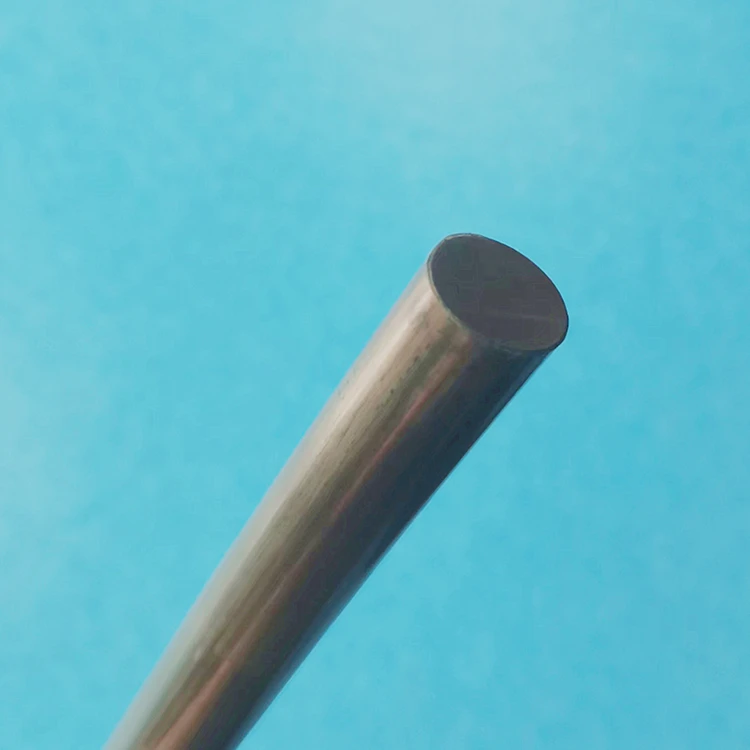
When it comes to the surface finish of nylon prints, they tend to have a slightly rough texture. This can be an advantage in some cases, as it can provide a better grip or a more natural look. However, if you need a smooth finish, you can post - process the printed parts. Sanding is a common method to smooth out the surface, and you can also use chemical treatments or coatings to achieve the desired finish.
Another aspect to consider is the cost. Nylon 3D printing wire is generally more expensive than some other common 3D printing materials like PLA or ABS. But when you factor in its strength, durability, and unique properties, it can be well worth the investment, especially for high - quality, long - lasting parts.
Now, let's compare nylon with some other materials. For example, PLA is a popular and easy - to - print material, but it's not as strong or durable as nylon. PLA parts are more brittle and can break easily under stress. ABS, on the other hand, is stronger than PLA but doesn't have the same level of flexibility as nylon. Also, ABS can emit fumes during printing, which can be a concern in some environments.
In terms of applications, nylon 3D printing wire has a wide range of uses. In the automotive industry, it can be used to print custom parts for cars, such as brackets, clips, and interior components. In the aerospace industry, nylon can be used for lightweight, strong parts that need to withstand high - stress environments. The medical field also benefits from nylon 3D printing, as it can be used to create custom - fit medical devices and prosthetics.
If you're in the market for PEEK Thin - walled Tube or PEEK Cable, we also have a great selection to offer. These PEEK products have their own unique properties and are suitable for various high - performance applications.
So, if you're looking for a 3D printing material that offers strength, flexibility, and chemical resistance, nylon 3D printing wire is definitely worth considering. Whether you're a hobbyist, an engineer, or a manufacturer, nylon can help you create high - quality, functional parts.
If you're interested in purchasing nylon 3D printing wire or any of our other products, I encourage you to reach out for a procurement discussion. We can talk about your specific needs, quantities, and pricing. I'm here to help you find the best solutions for your 3D printing projects.
References:
- "3D Printing Materials: A Comprehensive Guide" by 3D Printing Experts
- "Nylon in Engineering Applications" by Engineering Journal