

In the dynamic field of construction, the search for innovative and high - performance materials is a constant pursuit. Composite sheets have emerged as a potential game - changer, offering a range of properties that could revolutionize the way we build. As a supplier of composite sheets, I am excited to explore the question: Can composite sheets be used in construction?
Understanding Composite Sheets
Composite sheets are engineered materials made by combining two or more distinct components with different physical or chemical properties. These components work together to create a material that has enhanced characteristics compared to its individual parts. Typically, composite sheets consist of a matrix material, which holds the structure together, and a reinforcement material, which provides strength and stiffness.
The matrix can be made of various substances such as polymers, metals, or ceramics. Polymers are a popular choice due to their ease of processing, corrosion resistance, and ability to be molded into different shapes. Reinforcements often include fibers like carbon, glass, or aramid, which are known for their high strength - to - weight ratios.
Advantages of Composite Sheets in Construction
1. Lightweight yet Strong
One of the most significant advantages of composite sheets is their exceptional strength - to - weight ratio. Compared to traditional construction materials like steel and concrete, composite sheets can provide similar or even greater strength while being significantly lighter. This property is particularly beneficial in high - rise buildings, bridges, and other structures where reducing the overall weight can lead to cost savings in foundation design and construction. For example, in a bridge project, using composite sheets can reduce the dead load on the structure, allowing for more efficient use of materials and potentially longer spans.
2. Corrosion Resistance
Composite sheets are highly resistant to corrosion, which is a major concern in construction, especially in coastal areas or environments with high humidity or chemical exposure. Unlike metals, which can rust and deteriorate over time, composite sheets can maintain their structural integrity for extended periods. This corrosion resistance not only extends the lifespan of the structure but also reduces maintenance costs. For instance, in a marine construction project, composite sheets can be used for piers, docks, and seawalls without the need for frequent painting or protective coatings.
3. Design Flexibility
Composite sheets can be easily molded into complex shapes, offering architects and designers greater freedom in creating unique and innovative structures. They can be fabricated into curved panels, domes, and other non - traditional forms that are difficult or impossible to achieve with traditional materials. This design flexibility allows for the creation of aesthetically pleasing and functional buildings that stand out from the crowd. For example, in a modern art museum, composite sheets can be used to create dramatic facades and interior partitions that enhance the overall visual appeal of the building.
4. Thermal and Acoustic Insulation
Many composite sheets have excellent thermal and acoustic insulation properties. They can help to reduce heat transfer, keeping buildings cooler in the summer and warmer in the winter. This energy - saving feature can lead to lower utility bills and a more comfortable indoor environment. Additionally, composite sheets can absorb sound, reducing noise pollution from the outside and improving the acoustic quality inside the building. In a residential building, using composite sheets for interior walls can create a quieter and more peaceful living space.
Applications of Composite Sheets in Construction
1. Building Envelopes
Composite sheets are increasingly being used in building envelopes, including facades, roofs, and walls. Their lightweight nature and design flexibility make them an ideal choice for creating energy - efficient and aesthetically pleasing exteriors. For example, PAI Material Sheet can be used to construct facades that not only provide insulation but also add a modern and sleek look to the building.
2. Interior Finishes
In interior construction, composite sheets can be used for partitions, ceilings, and flooring. Their smooth surfaces and wide range of colors and textures make them suitable for creating stylish and functional interior spaces. PEEK Material Film can be used as a decorative finish on interior walls, adding a touch of elegance and sophistication.
3. Structural Components
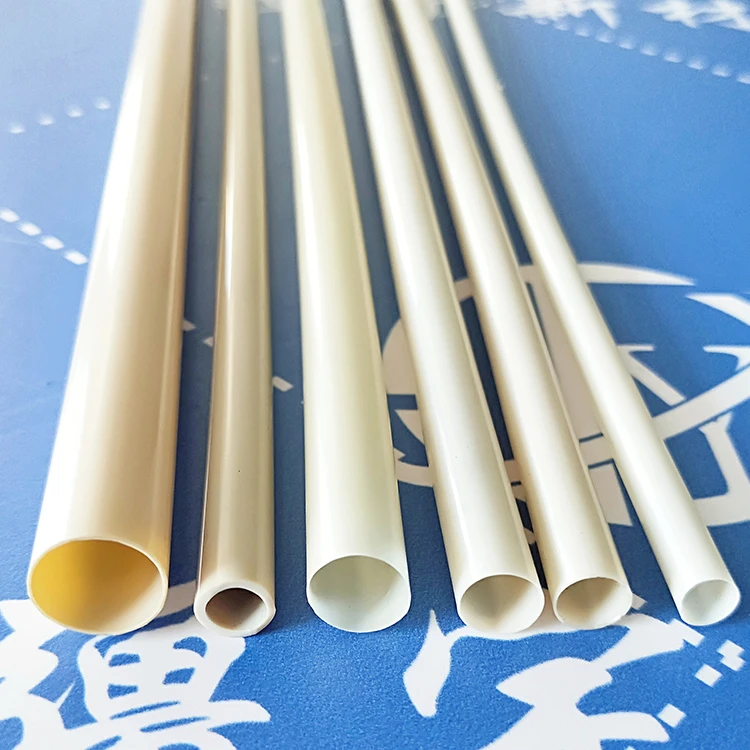
Composite sheets can also be used as structural components in construction. They can be used to reinforce concrete structures, such as beams and columns, or to create lightweight trusses and frames. PEEK Thin - walled Tube can be incorporated into structural systems to provide additional strength and stability.
Challenges and Limitations
1. High Initial Cost
One of the main challenges of using composite sheets in construction is their relatively high initial cost compared to traditional materials. The manufacturing process of composite sheets can be complex and expensive, which is reflected in the price. However, it is important to consider the long - term benefits, such as reduced maintenance costs and energy savings, when evaluating the overall cost - effectiveness of using composite sheets.
2. Fire Resistance
While some composite sheets have good fire - resistant properties, others may require additional fire - retardant treatments. In construction, fire safety is a top priority, and ensuring that composite sheets meet the necessary fire codes and standards is crucial. Further research and development are needed to improve the fire resistance of composite sheets and make them more suitable for use in high - risk areas.
3. Recycling and Sustainability
The recycling of composite sheets can be challenging due to their complex composition. Unlike single - material products, composite sheets often require specialized recycling processes. As the construction industry moves towards more sustainable practices, finding effective ways to recycle composite sheets will be an important area of focus.
Conclusion
In conclusion, composite sheets have great potential for use in construction. Their lightweight, corrosion - resistant, and design - flexible properties make them a viable alternative to traditional construction materials. While there are some challenges and limitations, ongoing research and development are likely to address these issues and make composite sheets more widely adopted in the construction industry.

As a supplier of composite sheets, I am committed to providing high - quality products that meet the needs of the construction industry. If you are interested in exploring the use of composite sheets in your construction projects, I encourage you to contact me for more information and to discuss your specific requirements. We can work together to find the best solutions for your projects and help you achieve your construction goals.
References
- Ashby, M. F., & Jones, D. R. H. (2012). Engineering Materials 1: An Introduction to Properties, Applications, and Design. Butterworth - Heinemann.
- Gibson, R. F. (2012). Principles of Composite Material Mechanics. CRC Press.
- Mallick, P. K. (2007). Fiber - Reinforced Composites: Materials, Manufacturing, and Design. CRC Press.