

Hey there! As a supplier of labyrinth seals, I'm super stoked to chat with you about the materials used in these nifty components. Labyrinth seals are pretty cool devices that are used in all sorts of industries to prevent leakage of fluids or gases. They work by creating a tortuous path that makes it really tough for stuff to get through. And the materials we use to make them play a huge role in how well they perform.
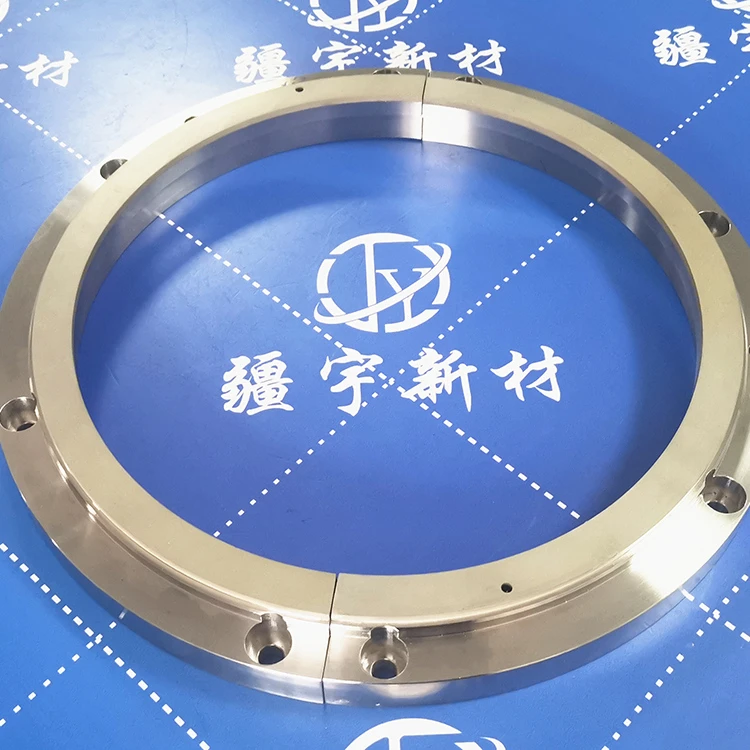
Let's start with one of the most common materials: metal. Metals like stainless steel, carbon steel, and bronze are often used for labyrinth seals. Stainless steel is a top - pick because it's highly resistant to corrosion. Whether it's in a chemical plant where there are all sorts of harsh chemicals floating around, or in a marine environment where saltwater is a constant threat, stainless steel can hold up well. It's also strong and durable, which means it can withstand the mechanical stresses that come with the operation of machinery.
Carbon steel, on the other hand, is known for its high strength and relatively low cost. It's a great option when you need a seal that can handle a lot of pressure and wear. For example, in high - pressure pumps or compressors, carbon steel labyrinth seals can do an excellent job. Bronze is another metal that's used. It has good lubricity, which means it can reduce friction between the seal and other components. This is especially useful in applications where there's a lot of movement, like in rotating machinery.
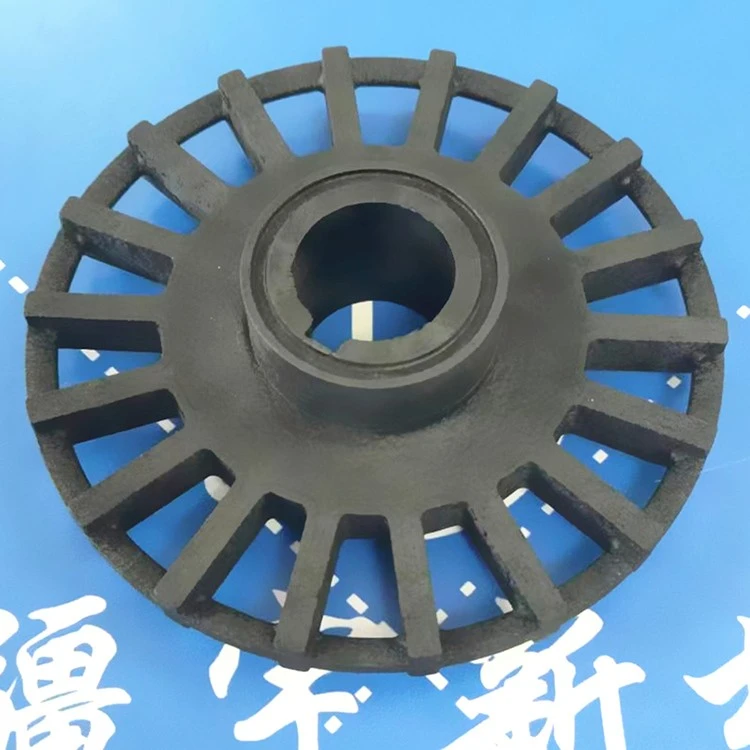
Now, let's talk about polymers. Polymers have become increasingly popular in the manufacturing of labyrinth seals. One of the well - known polymers is PEEK (polyether ether ketone). PEEK is an amazing material. It has high temperature resistance, which means it can be used in applications where the temperature gets really high, like in jet engines or high - performance automotive engines. It's also very strong and has excellent chemical resistance. You can check out some PEEK - based products on our website, like the Water Pump Impeller, Wear - Resistant Composite Slide Plate, and Protective Sleeve. These products showcase the versatility of PEEK in different applications.
Another polymer that's used is Teflon (polytetrafluoroethylene or PTFE). Teflon is famous for its low friction coefficient. This makes it ideal for labyrinth seals in applications where minimizing friction is crucial. For example, in precision machinery, Teflon seals can help improve the efficiency of the equipment by reducing the energy lost due to friction. It also has good chemical resistance, so it can be used in environments where there are corrosive substances.
Ceramics are also used in some high - end labyrinth seal applications. Ceramics have extremely high hardness and wear resistance. They can withstand very high temperatures and are also chemically inert. In applications like gas turbines, where the conditions are extremely harsh, ceramic labyrinth seals can provide long - lasting performance. However, ceramics are brittle, so they need to be carefully designed and installed to avoid cracking or breaking.
Composite materials are another option. Composites are made by combining two or more different materials to get the best properties of each. For example, a composite labyrinth seal might combine a metal matrix with a polymer or ceramic filler. This can result in a seal that has high strength, good wear resistance, and the ability to handle different environmental conditions.
When choosing the material for a labyrinth seal, there are several factors to consider. First of all, the operating environment is crucial. If the seal is going to be used in a corrosive environment, then a material with high chemical resistance, like stainless steel or PEEK, would be a good choice. The temperature is also important. High - temperature applications require materials that can withstand the heat without deforming or losing their properties, such as ceramics or PEEK.
The pressure and speed of the system also matter. High - pressure applications need seals made of strong materials like carbon steel or composites. And in high - speed applications, materials with low friction, like Teflon, can help reduce wear and improve efficiency.
The cost is another factor. Some materials, like ceramics and PEEK, can be more expensive than metals like carbon steel. So, depending on the budget and the performance requirements, a balance needs to be struck.
As a labyrinth seal supplier, we understand the importance of choosing the right material for your specific application. We have a wide range of labyrinth seals made from different materials, and our team of experts can help you select the most suitable one. Whether you're in the automotive, aerospace, chemical, or any other industry, we've got you covered.
If you're interested in our labyrinth seals or want to learn more about the materials we use, don't hesitate to reach out. We're always happy to have a chat and discuss your needs. We can provide you with samples, technical specifications, and pricing information. Let's work together to find the perfect labyrinth seal solution for your business.
References
- "Materials Science and Engineering: An Introduction" by William D. Callister Jr. and David G. Rethwisch
- "Handbook of Seal Technology" by Colin R. Johnson