

Wear resistance is a crucial property when it comes to labyrinth seals. As a supplier of labyrinth seals, understanding and being able to explain the wear resistance of these seals is of utmost importance. In this blog, we will delve into what wear resistance means in the context of labyrinth seals, the factors that affect it, and why it matters for various applications.
What is Wear Resistance?
Wear resistance refers to the ability of a material or component to withstand the effects of wear, which can be caused by friction, abrasion, erosion, or other mechanical forces. In the case of labyrinth seals, wear resistance is essential because these seals are often used in environments where there is relative motion between the seal and other components. For example, in rotating machinery such as turbines, compressors, and pumps, labyrinth seals are used to prevent the leakage of fluids (such as oil, gas, or steam) while allowing for smooth rotation.
The wear resistance of a labyrinth seal depends on several factors, including the material of the seal, the design of the seal, and the operating conditions. Let's take a closer look at each of these factors.

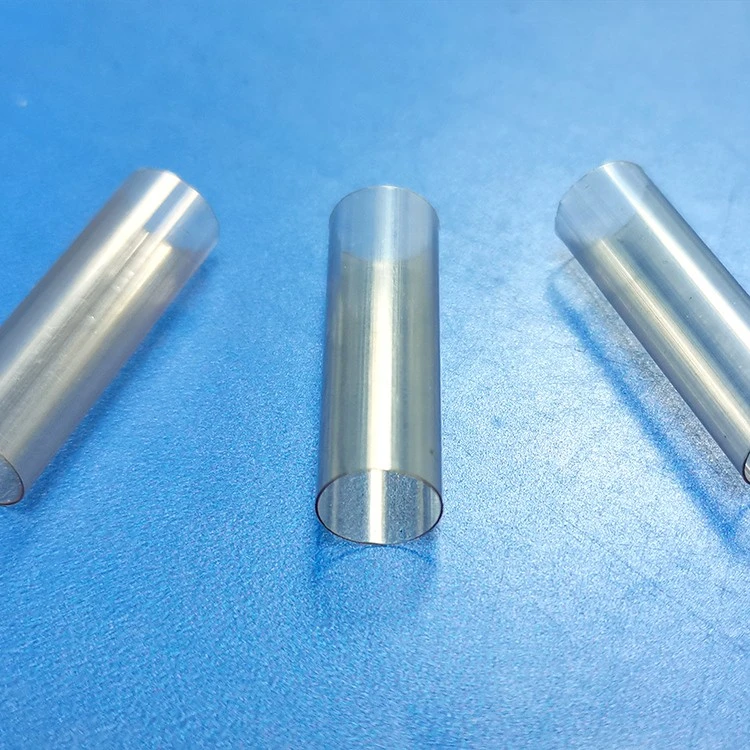
Material of the Seal
The material used to manufacture the labyrinth seal plays a significant role in its wear resistance. Different materials have different properties, and some are more resistant to wear than others. Common materials used for labyrinth seals include metals, polymers, and ceramics.
- Metals: Metals such as stainless steel, carbon steel, and bronze are often used in labyrinth seals due to their high strength and durability. Stainless steel, in particular, is known for its corrosion resistance, which makes it suitable for use in harsh environments. However, metals can be prone to wear, especially when in contact with hard or abrasive surfaces.
- Polymers: Polymers such as PEEK (polyether ether ketone) are becoming increasingly popular for labyrinth seals due to their excellent wear resistance, low friction coefficient, and chemical resistance. PEEK is a high-performance thermoplastic that can withstand high temperatures and harsh chemicals. It is also lightweight, which makes it ideal for applications where weight is a concern. You can find more information about PEEK products, including Analytical Instrument Accessories and HNB Electronic Cigarette Accessories, on our website.
- Ceramics: Ceramics are another option for labyrinth seals, especially in applications where high temperature and wear resistance are required. Ceramics have excellent hardness and wear resistance, but they can be brittle and difficult to machine.
Design of the Seal
The design of the labyrinth seal also affects its wear resistance. A well-designed labyrinth seal can minimize the contact between the seal and the rotating or stationary components, reducing the amount of wear. Some design features that can improve wear resistance include:
- Labyrinth Configuration: The labyrinth configuration refers to the shape and arrangement of the seal's channels and teeth. A well-designed labyrinth configuration can create a tortuous path for the fluid, reducing the leakage and minimizing the contact between the seal and the rotating component.
- Clearance: The clearance between the seal and the rotating or stationary component is also important. A small clearance can reduce the leakage, but it can also increase the wear due to the increased contact between the seal and the component. On the other hand, a large clearance can reduce the wear, but it can also increase the leakage. Therefore, it is important to find the right balance between clearance and wear resistance.
- Surface Finish: The surface finish of the seal can also affect its wear resistance. A smooth surface finish can reduce the friction and wear between the seal and the rotating component, while a rough surface finish can increase the wear.
Operating Conditions
The operating conditions, such as temperature, pressure, and speed, can also affect the wear resistance of the labyrinth seal. For example, high temperatures can cause the material of the seal to expand, which can increase the clearance and reduce the wear resistance. High pressures can also increase the wear due to the increased force on the seal. In addition, high speeds can cause the seal to vibrate, which can also increase the wear.
Why Wear Resistance Matters
The wear resistance of labyrinth seals is important for several reasons. First, it can affect the performance and reliability of the equipment. A worn seal can lead to increased leakage, which can reduce the efficiency of the equipment and increase the operating costs. In addition, a worn seal can also cause damage to other components, such as bearings and shafts, which can lead to costly repairs and downtime.
Second, wear resistance can also affect the lifespan of the seal. A seal with high wear resistance can last longer, reducing the need for frequent replacement and maintenance. This can save time and money in the long run.
Finally, wear resistance can also affect the safety of the equipment. A worn seal can lead to the leakage of hazardous fluids, which can pose a risk to the environment and the operators. Therefore, it is important to ensure that the labyrinth seals used in the equipment have high wear resistance to prevent any potential safety hazards.
Conclusion
In conclusion, wear resistance is a crucial property of labyrinth seals. The wear resistance of a labyrinth seal depends on several factors, including the material of the seal, the design of the seal, and the operating conditions. As a supplier of labyrinth seals, we understand the importance of wear resistance and strive to provide our customers with high-quality seals that can withstand the effects of wear.
If you are in the market for labyrinth seals, we encourage you to contact us to discuss your specific requirements. Our team of experts can help you select the right seal for your application and provide you with the technical support you need. We also offer a wide range of PEEK products, including Continuous Carbon Fiber Products, which can provide excellent wear resistance and other performance benefits.
References
- Smith, J. (2018). Wear Resistance of Materials. Journal of Materials Science, 53(12), 8765-8772.
- Johnson, R. (2019). Design and Performance of Labyrinth Seals. ASME Journal of Turbomachinery, 141(4), 041007.
- Brown, S. (2020). The Role of Material Selection in Wear Resistance. Tribology International, 146, 106278.