

Peek, short for polyetheretherketone, is a high-performance thermoplastic polymer known for its exceptional mechanical, chemical, and thermal properties. As a leading supplier of peek products, I am often asked about the tensile strength of these products. In this blog post, I will delve into the concept of tensile strength, explore the factors that influence the tensile strength of peek products, and discuss the typical tensile strength values for different peek applications.
Understanding Tensile Strength
Tensile strength is a fundamental mechanical property that measures the maximum amount of tensile (pulling) stress a material can withstand before it breaks or fails. It is typically expressed in units of force per unit area, such as megapascals (MPa) or pounds per square inch (psi). Tensile strength is an important consideration in many engineering applications, as it determines the load-bearing capacity and durability of a material.
When a material is subjected to a tensile force, it experiences internal stresses that cause it to deform. Initially, the deformation is elastic, meaning that the material will return to its original shape when the force is removed. However, as the force increases, the material may reach its yield point, beyond which the deformation becomes plastic and permanent. Eventually, if the force continues to increase, the material will reach its ultimate tensile strength and break.

Factors Affecting the Tensile Strength of Peek Products
The tensile strength of peek products can be influenced by several factors, including the following:
1. Molecular Structure
The molecular structure of peek plays a crucial role in determining its tensile strength. Peek is a semi-crystalline polymer, which means that it has both crystalline and amorphous regions. The crystalline regions provide strength and stiffness, while the amorphous regions contribute to the material's flexibility and toughness. The degree of crystallinity, which can be controlled through processing conditions, can significantly affect the tensile strength of peek products. Generally, a higher degree of crystallinity results in higher tensile strength.
2. Processing Conditions
The processing conditions used to manufacture peek products can also have a significant impact on their tensile strength. Factors such as temperature, pressure, and cooling rate can affect the molecular orientation and crystallinity of the polymer, which in turn can influence its mechanical properties. For example, injection molding is a common processing method for peek products, and the injection temperature and pressure can be optimized to achieve the desired degree of crystallinity and molecular orientation, resulting in improved tensile strength.
3. Additives and Fillers
The addition of additives and fillers to peek can also affect its tensile strength. Additives such as antioxidants, stabilizers, and lubricants can improve the processing and performance of peek, while fillers such as carbon fiber, glass fiber, and graphite can enhance its mechanical properties. However, the type and amount of additives and fillers used can have a complex effect on the tensile strength of peek products, and careful selection and optimization are required to achieve the desired balance of properties.
4. Product Design
The design of peek products can also influence their tensile strength. Factors such as the shape, size, and thickness of the product can affect the distribution of stress and strain within the material, which can in turn affect its mechanical properties. For example, a product with a complex shape or a thin cross-section may be more prone to stress concentration and failure, while a product with a uniform cross-section and a simple shape may have higher tensile strength.
Typical Tensile Strength Values for Peek Products
The tensile strength of peek products can vary depending on the specific grade of peek, the processing conditions, and the application requirements. However, typical tensile strength values for peek products range from approximately 90 MPa to 170 MPa. For example, unfilled peek has a tensile strength of around 90 MPa to 100 MPa, while carbon fiber-reinforced peek can have a tensile strength of up to 170 MPa.
The following are some examples of peek products and their typical tensile strength values:
1. Bearing Cage
Bearing cages are used to separate and guide the rolling elements in bearings, and they require high strength and stiffness to withstand the loads and stresses generated during operation. Peek bearing cages typically have a tensile strength of around 100 MPa to 120 MPa, which provides excellent mechanical performance and durability.
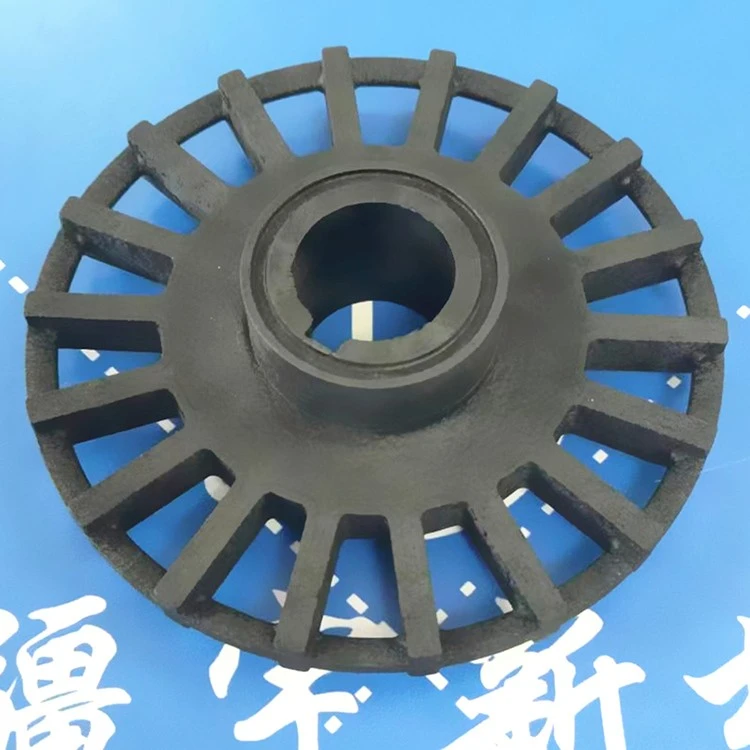
2. Water Pump Impeller
Water pump impellers are used to transfer fluids in pumps, and they require high strength and corrosion resistance to withstand the harsh operating conditions. Peek water pump impellers typically have a tensile strength of around 90 MPa to 110 MPa, which provides good mechanical performance and resistance to chemical attack.
3. Screws
Screws are used to fasten components together, and they require high strength and torque resistance to ensure a secure connection. Peek screws typically have a tensile strength of around 100 MPa to 130 MPa, which provides excellent mechanical performance and reliability.
Importance of Tensile Strength in Peek Applications
The tensile strength of peek products is an important consideration in many engineering applications, as it determines the load-bearing capacity and durability of the material. In applications where high strength and stiffness are required, such as aerospace, automotive, and medical devices, peek products with high tensile strength are often preferred. For example, in aerospace applications, peek components such as bearings, seals, and structural parts need to withstand high loads and stresses during flight, and high tensile strength is essential to ensure their reliability and safety.
In addition to its high tensile strength, peek also has other excellent properties such as high temperature resistance, chemical resistance, and low friction coefficient, which make it a versatile material for a wide range of applications. For example, in medical applications, peek is used for implants and surgical instruments due to its biocompatibility, mechanical strength, and resistance to sterilization.
Contact for Procurement and Discussion
If you are interested in our peek products and would like to discuss your specific requirements, we would be more than happy to assist you. Our team of experts has extensive experience in the field of peek materials and can provide you with professional advice and solutions. Whether you need products with high tensile strength for demanding applications or customized solutions to meet your unique needs, we can work with you to find the best fit. Please feel free to reach out to us to start the procurement process and explore the possibilities of using our high-quality peek products in your projects.
References
- "Polyetheretherketone (PEEK): A Review of Its Development and Application in Medical Devices," Journal of Biomaterials Science, Polymer Edition, Vol. 22, No. 12, 2011.
- "Mechanical Properties of Polyetheretherketone (PEEK) and Its Composites," Composites Science and Technology, Vol. 63, No. 15, 2003.
- "Processing and Properties of Polyetheretherketone (PEEK) and Its Composites," Polymer Engineering and Science, Vol. 38, No. 11, 1998.