

As a dedicated supplier of five - nozzle connectors, I've witnessed firsthand the challenges that users often face with clogging issues. A clogged five - nozzle connector can disrupt operations, decrease efficiency, and even lead to expensive repairs. In this blog, I'll share some practical strategies on how to prevent clogging in a five - nozzle connector, drawing from my in - depth knowledge of the product and industry experience.
Understanding the Causes of Clogging
Before we explore prevention methods, it's crucial to understand what causes clogging in five - nozzle connectors. There are several factors at play, including the type of fluid being transferred, the presence of debris in the system, and the quality of the connector design itself.

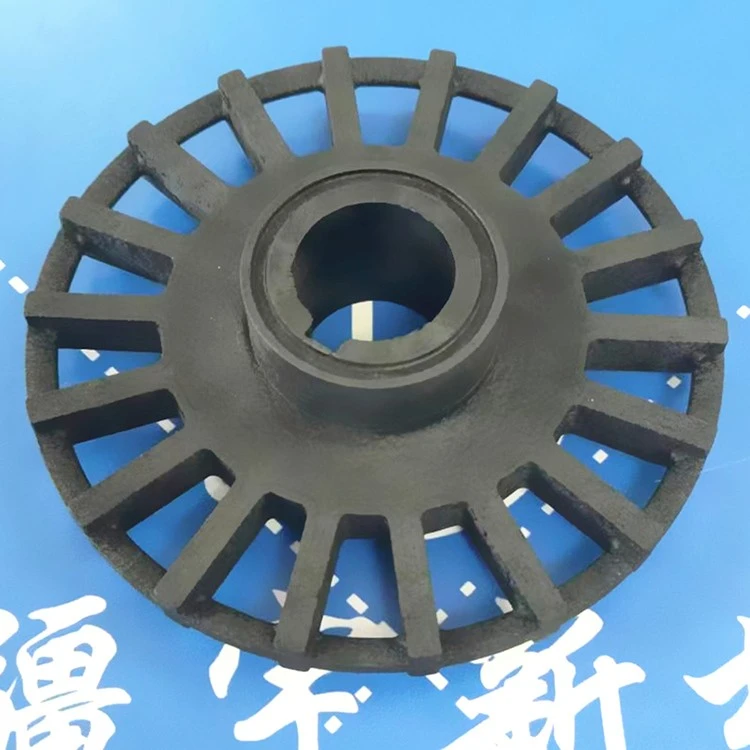
If the fluid contains particles or solids, these can gradually build up inside the small channels of the five - nozzle connector. This is especially true for fluids with high viscosity or those that are prone to sedimentation. Additionally, contaminants from the pipes, tanks, or other upstream components can enter the connector and cause blockages.
Another common cause is improper installation or maintenance. If the connector is not installed correctly, it can lead to uneven flow distribution, which in turn may encourage the accumulation of debris. Similarly, neglecting regular maintenance, such as cleaning and inspection, can allow small blockages to grow over time.
Choosing the Right Fluid
The nature of the fluid being used with the five - nozzle connector has a significant impact on clogging potential. For starters, ensure that the fluid is clean and free from large particles. If the fluid contains solids, consider using a pre - filtration system upstream of the connector. A well - designed filtration system can remove a substantial amount of debris before it reaches the connector, reducing the risk of clogging.
For fluids with high viscosity, it may be necessary to implement a heating or dilution method to lower the viscosity and improve flow. This can prevent the fluid from sticking to the inner walls of the connector and forming blockages. Furthermore, using additives that prevent sedimentation or crystallization can be beneficial in maintaining a consistent fluid state.
Maintaining the System Regularly
Regular maintenance is essential for preventing clogging in a five - nozzle connector. One of the simplest yet most effective maintenance tasks is cleaning. Establish a routine cleaning schedule, and use appropriate cleaning agents that are compatible with the material of the connector. For example, if the connector is made of a corrosion - resistant plastic, use a mild detergent solution to clean the internal and external surfaces.
In addition to cleaning, inspect the connector regularly for signs of wear and tear. Check for any cracks, leaks, or deformations in the nozzles and the body of the connector. Damaged parts should be replaced immediately to prevent further issues. During the inspection, also examine the seals and gaskets, as worn - out seals can allow contaminants to enter the system.
Design Considerations
The design of the five - nozzle connector itself plays a pivotal role in clogging prevention. When choosing a connector, look for designs that feature smooth inner surfaces. A smooth surface reduces the friction between the fluid and the wall of the connector, making it less likely for debris to adhere. Additionally, connectors with appropriate flow channels and uniform nozzle spacing can ensure an even distribution of fluid, minimizing the chances of debris accumulation in specific areas.
Some advanced connectors come with self - cleaning mechanisms. These mechanisms can be either mechanical, such as rotating internal parts that dislodge debris, or chemical, where the connector releases a cleaning agent periodically. Such features can greatly enhance the long - term performance and reliability of the connector.
Importance of Quality Components
Using high - quality components in conjunction with the five - nozzle connector is also vital. For instance, the Water Pump Impeller in the system should be of good quality. A well - designed impeller can ensure proper fluid flow and pressure, which helps prevent clogging in the connector. Similarly, Continuous Carbon Fiber Products can be used in the construction of pipes or other system parts to provide strength and durability, reducing the likelihood of debris from pipe degradation entering the connector. And Wear - resistant Slider can improve the overall performance and stability of the system, contributing to a clog - free operation.
Training and Education
Proper training of personnel who operate the system with the five - nozzle connector is crucial. They should be educated on the correct installation procedures, maintenance requirements, and how to identify early signs of clogging. By providing comprehensive training, operators can take proactive measures to prevent clogging and address any issues promptly.
Case Studies
Let's take a look at some real - world examples of clogging prevention in five - nozzle connectors. In a manufacturing plant, they were using a five - nozzle connector to transfer a chemical fluid. Initially, they faced frequent clogging issues, which led to production delays. After conducting an in - depth analysis, they installed a pre - filtration system, optimized the fluid temperature to reduce viscosity, and established a regular cleaning and inspection schedule. As a result, the frequency of clogging decreased significantly, and the overall productivity of the plant improved.
Conclusion
Preventing clogging in a five - nozzle connector is a multi - faceted process that involves understanding the causes, choosing the right fluids, maintaining the system regularly, considering design aspects, using quality components, and providing adequate training. By implementing these strategies, you can ensure the smooth and efficient operation of your five - nozzle connector, reducing downtime and saving on maintenance costs.
If you're interested in our high - quality five - nozzle connectors or need further advice on clogging prevention, please feel free to contact us for a procurement discussion. We're here to help you find the best solutions for your specific needs.
References
- Smith, J. (2018). Fluid Dynamics and Connector Design. Journal of Industrial Fluid Systems.
- Johnson, R. (2019). Maintenance Best Practices for Connector Systems. Manufacturing Excellence Quarterly.
- Brown, S. (2020). The Impact of Fluid Quality on Connector Performance. Chemical Processing Journal.