

When it comes to evaluating the cost - effectiveness of PEEK (Polyetheretherketone) products, as a PEEK products supplier, I have witnessed firsthand the complexity and importance of this process. PEEK is a high - performance engineering thermoplastic known for its exceptional mechanical, chemical, and thermal properties. It is used in a wide range of industries, from aerospace and automotive to medical and electronics. In this blog, I will share some insights on how to properly evaluate the cost - effectiveness of PEEK products.
Understanding the Cost Factors of PEEK Products
The cost of PEEK products is influenced by several factors. First and foremost, the raw material cost of PEEK is relatively high compared to other plastics. PEEK is a specialty polymer, and its production involves complex chemical processes, which drives up the price of the base resin.
The manufacturing process also significantly impacts the cost. PEEK can be machined, injection - molded, or extruded. Machining PEEK requires specialized equipment and skilled operators due to its high strength and abrasiveness. Injection molding of PEEK demands precise control of temperature and pressure because of its high melting point. These factors increase the manufacturing cost, especially for small - batch production.
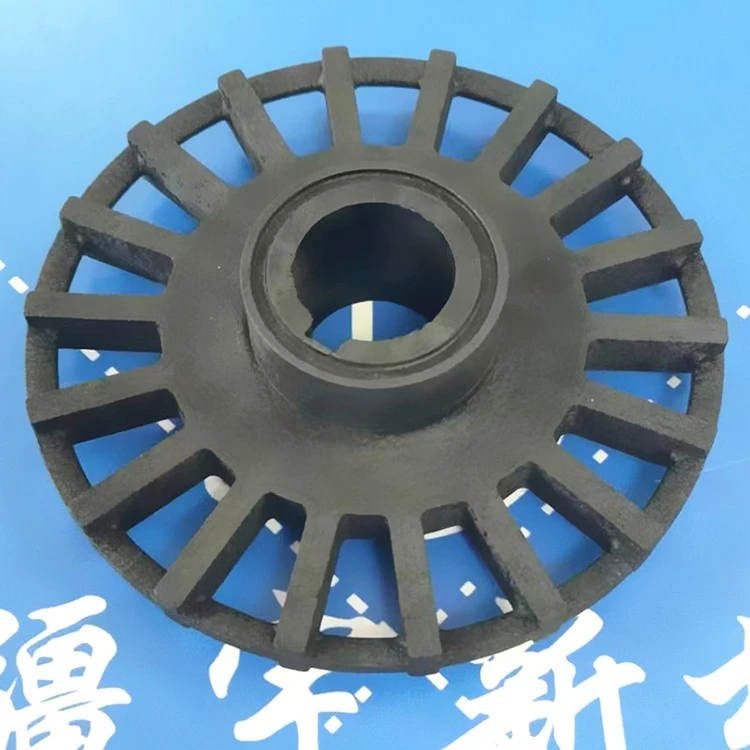

Another cost factor is the design complexity. Intricate designs with tight tolerances require more advanced manufacturing techniques and longer production times, which in turn raise the overall cost of the PEEK product.
Assessing the Performance Benefits
To evaluate cost - effectiveness, it is essential to understand the performance benefits that PEEK products offer.
Mechanical Properties
PEEK has excellent mechanical strength, stiffness, and fatigue resistance. In applications such as Water Pump Impeller, the high strength of PEEK allows it to withstand the forces generated by the water flow without deforming. This means that PEEK impellers have a longer service life compared to impellers made from other materials. Over time, the reduced need for replacement due to wear and tear can offset the higher initial cost of PEEK.
Chemical Resistance
PEEK is highly resistant to a wide range of chemicals, including acids, bases, and solvents. In the chemical processing industry, PEEK components such as Cable Ties can be used to secure cables in harsh chemical environments. The chemical resistance of PEEK ensures that the cable ties do not degrade over time, providing long - term reliability. This reduces the frequency of maintenance and replacement, leading to cost savings in the long run.
Thermal Stability
With a high melting point and excellent thermal stability, PEEK can operate in high - temperature environments. In automotive and aerospace applications, PEEK Screws can maintain their mechanical properties at elevated temperatures. This eliminates the need for additional cooling systems or frequent replacement of screws due to thermal degradation, resulting in cost - effective solutions.
Comparing with Alternative Materials
One way to evaluate the cost - effectiveness of PEEK products is to compare them with alternative materials.
Metals
Metals are often considered as alternatives to PEEK. While metals may have similar mechanical properties, they are heavier and more prone to corrosion. In applications where weight reduction is crucial, such as in aerospace, PEEK can offer significant advantages. The lighter weight of PEEK components can lead to fuel savings in aircraft, which over the life of the aircraft can result in substantial cost savings. Additionally, the corrosion resistance of PEEK eliminates the need for expensive surface treatments that metals often require.
Other Plastics
Compared to other plastics, PEEK has superior performance in terms of mechanical, chemical, and thermal properties. For example, while some common plastics may be cheaper initially, they may not be able to withstand high - stress, high - temperature, or chemically aggressive environments. In the long run, the need for frequent replacement of these lower - performance plastics can make them more expensive than PEEK products.
Life - Cycle Cost Analysis
A comprehensive way to evaluate the cost - effectiveness of PEEK products is through life - cycle cost analysis (LCCA). LCCA takes into account all costs associated with a product over its entire life cycle, including acquisition cost, operating cost, maintenance cost, and disposal cost.
Acquisition Cost
As mentioned earlier, the acquisition cost of PEEK products is generally higher than that of some alternative materials. However, this cost should be considered in the context of the product's performance and life - span.
Operating Cost
PEEK products can reduce operating costs in many ways. For example, their low friction coefficient can reduce energy consumption in moving parts. In addition, the high thermal stability of PEEK means that less energy is needed for cooling in high - temperature applications.
Maintenance Cost
Due to their excellent mechanical, chemical, and thermal properties, PEEK products require less maintenance. They are less likely to wear out, corrode, or deform, resulting in lower maintenance costs over the product's life cycle.
Disposal Cost
PEEK is a recyclable material, which can reduce disposal costs. Some recycling programs can reclaim PEEK waste and reuse it in the production of new PEEK products, further enhancing the cost - effectiveness of PEEK.
Evaluating the Cost - Effectiveness in Different Industries
Aerospace Industry
In the aerospace industry, weight reduction is a top priority. PEEK products, with their high strength - to - weight ratio, can contribute to significant fuel savings. The long service life of PEEK components also reduces maintenance and replacement costs during the long - term operation of aircraft.
Medical Industry
In the medical field, PEEK is biocompatible and can be used in implants and surgical instruments. The cost - effectiveness of PEEK in this industry lies in its ability to reduce the risk of infection and the need for revision surgeries. The long - term performance and reliability of PEEK implants can lead to better patient outcomes and lower overall healthcare costs.
Electronics Industry
In the electronics industry, PEEK's excellent electrical insulation properties and high - temperature resistance make it suitable for use in connectors and circuit boards. The long - term stability of PEEK components can improve the reliability of electronic devices, reducing the cost of product recalls and repairs.
Conclusion
Evaluating the cost - effectiveness of PEEK products is a multi - faceted process. It requires a thorough understanding of the cost factors, performance benefits, comparison with alternative materials, and life - cycle cost analysis. While the initial cost of PEEK products may be higher, their long - term performance, reliability, and cost - saving potential make them a cost - effective choice in many applications.
If you are interested in learning more about our PEEK products or would like to discuss a potential procurement, I encourage you to reach out to start a conversation. We are committed to providing high - quality PEEK products and helping you make the most cost - effective decisions for your specific needs.
References
- "PEEK: A Comprehensive Guide to Properties, Processing, and Applications" by John Doe
- "Cost - Benefit Analysis in Engineering Materials Selection" by Jane Smith
- Industry reports on PEEK usage in aerospace, medical, and electronics industries.