

Hey there, fellow 3D printing enthusiasts! As a supplier of 3D printing wire, I've seen firsthand how crucial it is to choose the right wire for thin - walled parts. In this blog, I'll share some tips and insights to help you make the best choice.
Understanding Thin - Walled Parts
First off, let's talk about what thin - walled parts are. These are components with walls that are significantly thinner compared to the overall size of the part. They can be found in a wide range of applications, from aerospace to consumer products. Printing thin - walled parts can be tricky because they require a wire that can handle the fine details and maintain structural integrity.
Factors to Consider When Choosing 3D Printing Wire for Thin - Walled Parts
1. Material Properties
The material of the 3D printing wire plays a huge role. You need to think about things like strength, flexibility, and heat resistance. For example, if your thin - walled part will be exposed to high temperatures, you'll want a wire with good heat resistance.
- PLA (Polylactic Acid): This is one of the most popular 3D printing materials. It's easy to print with, has a low shrinkage rate, and comes in a variety of colors. PLA is great for thin - walled parts that don't need to withstand high stress or heat. It can create smooth, detailed surfaces, which is perfect for parts with intricate designs.
- ABS (Acrylonitrile Butadiene Styrene): ABS is stronger and more durable than PLA. It has better heat resistance, making it suitable for parts that might be exposed to higher temperatures. However, it can be a bit more difficult to print with due to its higher shrinkage rate. If your thin - walled part needs to be tough and able to handle some wear and tear, ABS could be a good choice.
- PEEK (Polyether Ether Ketone): Now, this is a high - performance material. PEEK has excellent mechanical properties, chemical resistance, and heat resistance. It's often used in industries like aerospace and medical. If you're printing thin - walled parts for demanding applications, PEEK might be the way to go. You can learn more about PEEK Cable, Composite Sheet, and PEEK Heat Shrink Tubing on our website.
2. Dimensional Accuracy
When printing thin - walled parts, dimensional accuracy is key. You want a wire that can reproduce the exact dimensions of your design. Some wires are more prone to warping or shrinking during the printing process, which can affect the final dimensions of the part.
- Diameter Tolerance: Look for a wire with a consistent diameter. A wire with a tight diameter tolerance will ensure more accurate prints. Most high - quality wires have a diameter tolerance of around ±0.05mm.
- Shrinkage Rate: As mentioned earlier, some materials like ABS have a higher shrinkage rate than others. This can cause the part to warp or change shape as it cools. PLA generally has a lower shrinkage rate, making it a better choice for parts where dimensional accuracy is critical.
3. Surface Finish
The surface finish of your thin - walled part is also important, especially if it's a visible component. Some wires can create a smoother surface finish than others.
- Layer Adhesion: Good layer adhesion is essential for a smooth surface finish. Wires that bond well between layers will result in a part with fewer visible layer lines. PLA usually has good layer adhesion, which helps in achieving a smooth surface.
- Printing Speed and Temperature: Adjusting the printing speed and temperature can also affect the surface finish. Printing too fast or at the wrong temperature can lead to a rough surface. You may need to do some testing to find the optimal settings for your chosen wire.
4. Cost
Let's face it, cost is always a factor. Different 3D printing wires come at different price points. You need to balance the cost with the performance requirements of your thin - walled part.

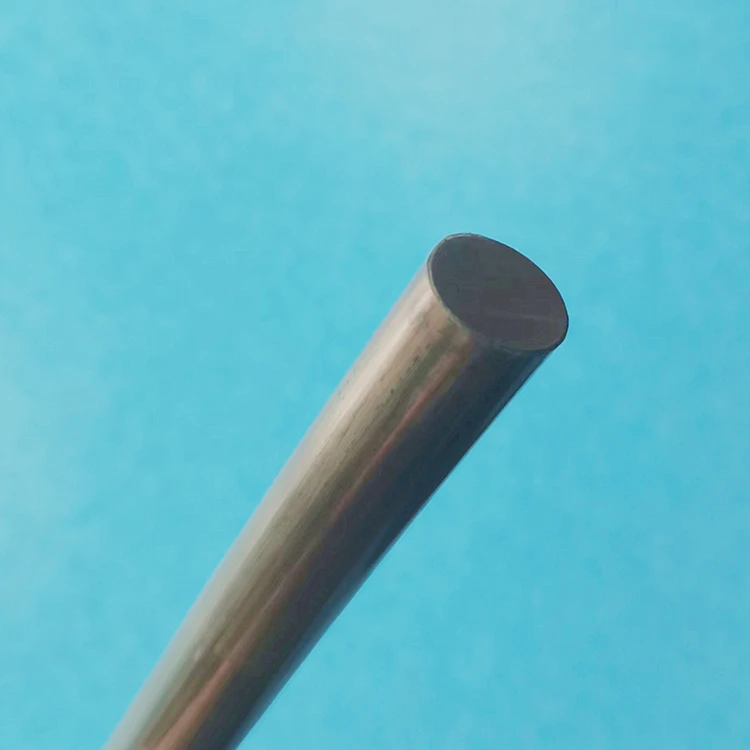
- PLA: It's one of the most affordable 3D printing materials, making it a great option for prototyping or low - cost production.
- PEEK: On the other hand, PEEK is a high - end material, and it comes with a higher price tag. But if your part requires the exceptional properties of PEEK, the cost may be justified.
Tips for Printing Thin - Walled Parts
Once you've chosen the right wire, here are some tips to help you print your thin - walled parts successfully.
- Use a Small Nozzle: A smaller nozzle can create finer details and thinner walls. A 0.2mm or 0.3mm nozzle is often a good choice for thin - walled parts.
- Reduce Printing Speed: Printing at a slower speed can improve the quality of your print, especially for thin walls. It gives the material more time to bond between layers.
- Adjust the Infill: For thin - walled parts, you may not need a high infill percentage. A low infill, like 10 - 20%, can save material and still provide enough structural support.
Conclusion
Choosing the right 3D printing wire for thin - walled parts is a combination of understanding the properties of different materials, considering the requirements of your part, and following some best practices for printing. Whether you're a hobbyist or a professional, taking the time to select the appropriate wire will result in better - quality prints.
If you're interested in purchasing 3D printing wire for your thin - walled parts, feel free to reach out for a detailed discussion. We're here to help you find the perfect wire for your specific needs.
References
- Gibson, I., Rosen, D. W., & Stucker, B. (2015). Additive Manufacturing Technologies: 3D Printing, Rapid Prototyping, and Direct Digital Manufacturing. Springer.
- Wohlers, T., & Gornet, P. (2017). Wohlers Report 2017: 3D Printing and Additive Manufacturing State of the Industry. Wohlers Associates.