

Hey there! I'm a supplier of cable ties, and I've seen a lot of issues related to over - tightening these little guys. In this blog, I'm gonna share some tips on how you can avoid over - tightening a cable tie.
First off, let's talk about why over - tightening is a problem. When you over - tighten a cable tie, you can damage the items you're tying together. For example, if you're using a cable tie to bundle some delicate wires, too much pressure can crush the insulation on the wires, leading to short circuits or other electrical problems. It can also weaken the cable tie itself. The excessive tension can cause the teeth inside the cable tie to wear out quickly, reducing its holding strength and making it more likely to break over time.
So, how do you avoid this? One of the simplest ways is to use the right tool. A good cable tie gun can be a game - changer. These guns are designed to apply a consistent and appropriate amount of tension to the cable tie. They usually have adjustable settings, so you can set the tension according to the requirements of your project. For instance, if you're working with thin wires, you can set the gun to a lower tension level. When shopping for a cable tie gun, look for one with good reviews and a reputation for accuracy.

Another important thing is to understand the properties of the cable tie you're using. Different cable ties have different tensile strengths. Tensile strength is the maximum amount of force a cable tie can withstand before it breaks. As a supplier, I always recommend checking the product specifications to know the exact tensile strength of the cable tie. For example, if you're using a cable tie with a tensile strength of 50 pounds, you don't want to apply more than that amount of force.
Visual inspection is also crucial. Before you fully tighten the cable tie, take a moment to look at how it's sitting around the items you're tying. Make sure it's evenly wrapped and not twisted. If it's twisted, it can cause uneven pressure, and you might end up over - tightening one side while under - tightening the other. Also, check for any signs of the cable tie digging into the surface of the items. If you see that happening, loosen the tie a bit and readjust it.
Let's talk about some real - world applications where avoiding over - tightening is especially important. In the field of submersible equipment, cable ties are often used to secure various components. For submersible equipment, it's vital that the cable ties are properly tightened but not over - tightened. Over - tightening can damage the sensitive components of the submersible equipment. You can find more information about submersible equipment accessories at Submersible Equipment Accessories.
In water pumps, cable ties are used to keep the wiring in place. The impeller of a water pump is a critical part, and any damage caused by over - tightened cable ties can affect its performance. To learn more about water pump impellers, visit Water Pump Impeller.
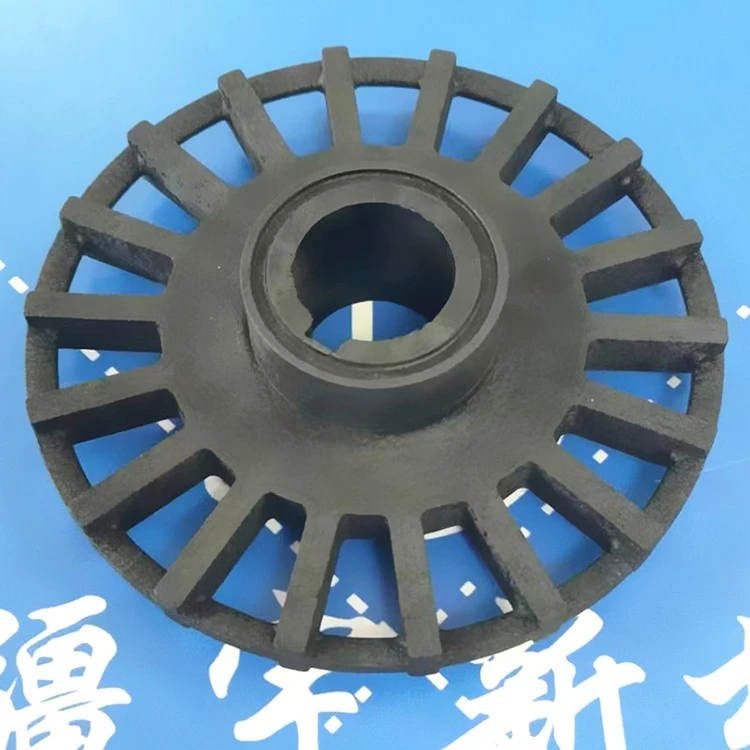
Single screw compressors also rely on cable ties for cable management. The star wheel in a single screw compressor is a precision component, and over - tightening cable ties around the compressor can lead to misalignment or damage. Check out Single Screw Compressor - Star Wheel for more details.
Now, let's talk about some common mistakes people make when using cable ties. One of the biggest mistakes is using too much force out of habit. Sometimes, people think that tighter is always better, but that's not the case with cable ties. Another mistake is not using the right size of cable tie. If you use a cable tie that's too small for the items you're tying, you'll have to apply more force to get it to fit, increasing the risk of over - tightening. Always choose the appropriate size of cable tie for your project.
Practice makes perfect. If you're new to using cable ties, start with some simple projects. Try tying a few cables together and experiment with different levels of tension. You can use a tension gauge to measure the force you're applying. This way, you'll get a better feel for how much tension is appropriate.
As a cable tie supplier, I'm here to help you with all your cable tie needs. Whether you're a DIY enthusiast or a professional in an industrial setting, I can provide you with high - quality cable ties and offer advice on their proper use. If you're interested in purchasing cable ties or have any questions about avoiding over - tightening, feel free to reach out. I'm always happy to have a chat and discuss your requirements. Let's work together to ensure that your cable - tying projects are successful and your components are protected.
References:
- General knowledge from years of experience as a cable tie supplier.
- Product specifications and technical data from cable tie manufacturers.