

Hey there! As a supplier of PAI (Polyamide-imide) Material Sheet, I often get asked if our product can be used in automotive applications. Well, let's dive right into it and explore the possibilities.
First off, let's understand what PAI Material Sheet is all about. PAI is a high - performance engineering plastic known for its excellent mechanical, thermal, and chemical properties. It has a high strength - to - weight ratio, which means it can offer great performance without adding too much weight to a component.
When it comes to automotive applications, weight is a crucial factor. Automakers are constantly looking for ways to reduce the weight of vehicles to improve fuel efficiency and range, especially in the case of electric vehicles. Our PAI Material Sheet fits the bill perfectly in this regard. Its lightweight nature allows for the design of lighter automotive parts without sacrificing strength.
Thermal stability is another key aspect in the automotive world. Engines, brakes, and other components generate a significant amount of heat. PAI Material Sheet can withstand high temperatures without deforming or losing its mechanical properties. This makes it suitable for use in areas close to the engine or in brake systems. For example, it can be used as gaskets or seals in high - temperature environments, where it can maintain its integrity and prevent leaks.
Chemical resistance is also vital in automotive applications. Vehicles are exposed to a variety of chemicals, such as fuels, lubricants, and coolants. PAI Material Sheet has excellent resistance to these chemicals, which means it won't degrade or corrode when in contact with them. This ensures the longevity of the parts made from our PAI Material Sheet, reducing the need for frequent replacements.
Now, let's talk about some specific automotive applications where our PAI Material Sheet can shine.
Interior Components
In the interior of a vehicle, there are numerous opportunities for using PAI Material Sheet. It can be used for making control knobs, switches, and dashboard components. Its smooth surface finish and high - quality appearance make it aesthetically pleasing, while its durability ensures that these parts will last for a long time. The low friction coefficient of PAI also makes it suitable for parts that require smooth movement, such as sliding mechanisms in seats or storage compartments.
Powertrain Components
The powertrain is the heart of a vehicle, and PAI Material Sheet can play an important role here. It can be used in gears, bearings, and bushings. The high strength and wear resistance of PAI make it ideal for these applications. Gears made from PAI Material Sheet can operate smoothly and quietly, reducing noise and vibration in the powertrain. Bearings and bushings can also benefit from the low friction and high - load - carrying capacity of PAI, improving the overall efficiency of the powertrain.
Electrical Components
With the increasing electrification of vehicles, electrical components are becoming more important. PAI Material Sheet has good electrical insulation properties, which makes it suitable for use in electrical connectors, circuit boards, and cable insulation. It can protect the electrical systems from short - circuits and other electrical failures, ensuring the reliable operation of the vehicle's electrical components.
When comparing PAI Material Sheet with other materials commonly used in automotive applications, it has some distinct advantages. For instance, compared to PEEK Material Film, PAI offers better chemical resistance in some cases, especially against certain fuels and lubricants. While PEEK is also a high - performance material, PAI can be a more cost - effective option for some applications without sacrificing too much in terms of performance.
Various Profiles Of PI Material are also used in the automotive industry, but PAI Material Sheet has its own unique set of properties. PI materials are known for their high - temperature resistance, but PAI combines high - temperature performance with good mechanical and chemical properties in a more balanced way.
PEEK Cable is often used for its excellent electrical properties, but PAI Material Sheet can be a viable alternative for cable insulation in some applications, especially where chemical resistance and mechanical strength are also important.
However, it's important to note that like any material, PAI Material Sheet also has its limitations. Its processing can be a bit more challenging compared to some other plastics. It requires specific molding and machining techniques to achieve the desired shape and properties. But as a supplier, we have the expertise and experience to overcome these challenges and provide high - quality PAI Material Sheet products to our customers.
In conclusion, PAI Material Sheet has great potential for use in automotive applications. Its lightweight, thermal stability, chemical resistance, and mechanical properties make it suitable for a wide range of automotive components, from interior parts to powertrain and electrical components.
If you're an automotive manufacturer or a parts supplier looking for a high - performance material for your next project, I encourage you to consider our PAI Material Sheet. We can provide samples for you to test and evaluate, and our team of experts is always ready to assist you with any technical questions or customization requirements. Whether you need a small quantity for prototyping or a large - scale production order, we've got you covered.

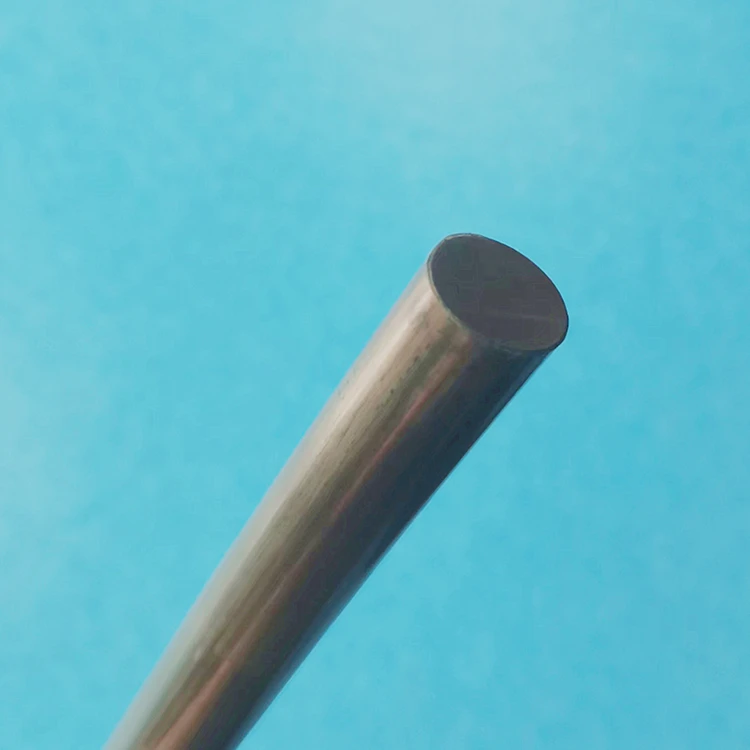
So, don't hesitate to reach out and start a conversation with us. Let's work together to bring your automotive projects to the next level with our high - quality PAI Material Sheet.
References
- "High - Performance Polymers in Automotive Applications" - Journal of Automotive Engineering
- "Properties and Applications of Polyamide - imide" - Polymer Science Review