

As a provider of water pump impellers, I often receive inquiries about the compatibility of water pump impellers with variable - speed pumps. This topic is not only relevant to the practical application of pumps but also crucial for customers seeking efficient and reliable pumping solutions. In this blog, I will delve into the question of whether a water pump impeller can be used in a variable - speed pump, exploring the technical aspects, advantages, and potential challenges.
Technical Compatibility
To understand whether a water pump impeller can be used in a variable - speed pump, we first need to understand the basic working principles of both components. A water pump impeller is a rotating component that imparts energy to the fluid, causing it to flow. It typically consists of blades that are designed to move the fluid in a specific direction and at a certain velocity.
Variable - speed pumps, on the other hand, are designed to adjust the speed of the pump motor according to the system's requirements. This allows for more precise control of the flow rate and pressure, which can lead to significant energy savings and improved system performance.
In theory, most water pump impellers can be used in variable - speed pumps. The key lies in the design and characteristics of the impeller. For example, an impeller with a well - designed blade profile can maintain its efficiency over a wide range of speeds. However, some impellers may be optimized for a specific speed range, and using them outside of this range may result in reduced efficiency or even damage to the pump.
Advantages of Using a Water Pump Impeller in a Variable - Speed Pump
There are several advantages to using a water pump impeller in a variable - speed pump. One of the most significant benefits is energy efficiency. By adjusting the pump speed to match the actual demand, variable - speed pumps can reduce energy consumption. When the system requires less flow, the pump can operate at a lower speed, consuming less power. This is particularly beneficial in applications where the demand for water varies throughout the day, such as in water supply systems for buildings or industrial processes.
Another advantage is improved system control. Variable - speed pumps allow for precise adjustment of the flow rate and pressure, which can enhance the overall performance of the system. For example, in a heating or cooling system, a variable - speed pump can maintain a constant temperature by adjusting the flow rate of the coolant. This not only improves comfort but also reduces wear and tear on the system components.

In addition, using a water pump impeller in a variable - speed pump can extend the lifespan of the pump. By operating at lower speeds when the demand is low, the pump experiences less stress, which can reduce the likelihood of mechanical failures. This can result in lower maintenance costs and longer service intervals.
Potential Challenges
While there are many advantages to using a water pump impeller in a variable - speed pump, there are also some potential challenges that need to be considered. One of the main challenges is the potential for cavitation. Cavitation occurs when the pressure in the pump drops below the vapor pressure of the fluid, causing the formation of vapor bubbles. These bubbles can collapse, causing damage to the impeller and other pump components.
Variable - speed pumps can be more prone to cavitation, especially when operating at low speeds. This is because the reduced flow rate can lead to a decrease in pressure, increasing the risk of cavitation. To mitigate this risk, it is important to select an impeller that is designed to operate over a wide range of speeds and to ensure that the pump is properly sized and installed.
Another challenge is the need for proper control and monitoring. Variable - speed pumps require sophisticated control systems to adjust the speed of the pump motor accurately. These control systems need to be properly calibrated and maintained to ensure optimal performance. In addition, monitoring the pump's performance is essential to detect any potential issues early and take corrective action.
Our Offerings
As a water pump impeller supplier, we offer a wide range of impellers that are suitable for use in variable - speed pumps. Our impellers are designed with advanced engineering techniques to ensure high efficiency and reliability. We use high - quality materials, such as stainless steel and bronze, to ensure durability and resistance to corrosion.
We also provide customized solutions to meet the specific needs of our customers. Whether you need an impeller for a small domestic pump or a large industrial pump, we can work with you to design and manufacture the right impeller for your application.
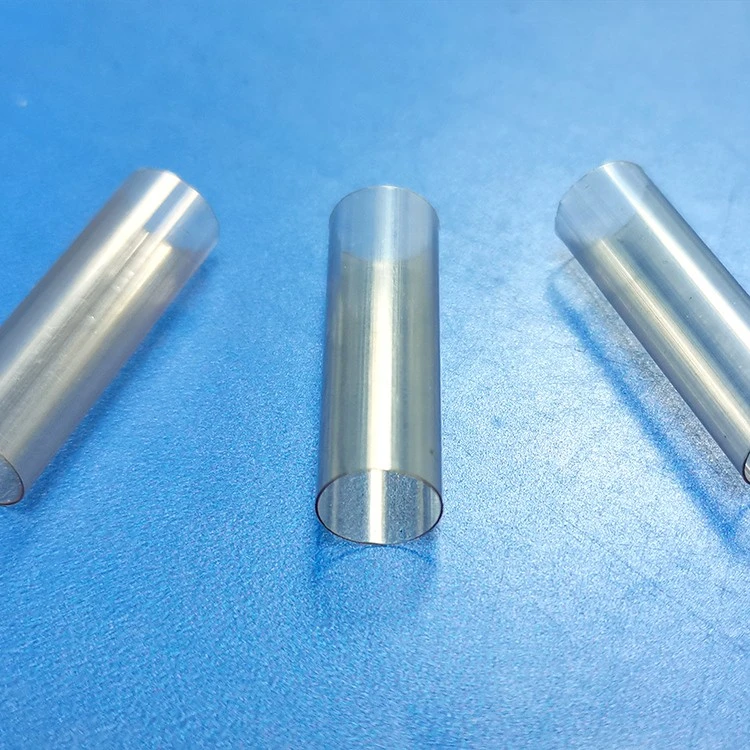
In addition to our impellers, we also offer a range of related products, such as Protective Sleeve, HNB Electronic Cigarette Accessories, and Radome. These products are designed to enhance the performance and protection of your pumps and other equipment.
Conclusion
In conclusion, a water pump impeller can be used in a variable - speed pump, and there are many advantages to doing so. However, it is important to carefully consider the technical aspects, potential challenges, and the specific requirements of your application. By selecting the right impeller and ensuring proper installation and maintenance, you can achieve significant energy savings, improved system performance, and longer pump lifespan.
If you are interested in learning more about our water pump impellers or other products, or if you have any questions about using a water pump impeller in a variable - speed pump, please feel free to contact us. We are always ready to provide you with professional advice and support to help you find the best pumping solution for your needs.
References
- Pump Handbook, Karassik, I. J., Messina, J. P., Cooper, P. W., & Heald, C. C. (2008).
- Fluid Mechanics, White, F. M. (2016).
- Variable - Frequency Drives for Pumps, ASHRAE (2015).