

As a radome supplier, I often encounter questions from clients about the most suitable paint for radomes. Radomes are protective enclosures designed to shield radar systems from environmental factors while allowing electromagnetic waves to pass through with minimal attenuation. Selecting the right paint is crucial as it not only affects the radome's appearance but also its functionality, durability, and performance.
Considerations for Radome Paint Selection
Electrical Properties
One of the primary considerations when choosing paint for a radome is its electrical properties. The paint should have low electrical conductivity to minimize the absorption and reflection of electromagnetic waves. High - conductivity paints can cause significant signal loss, degrading the radar system's performance. Dielectric constant and loss tangent are two key parameters to evaluate. A paint with a low dielectric constant and loss tangent will ensure that the electromagnetic waves pass through the radome with minimal distortion. For example, some specialized paints formulated with low - loss polymers are designed to have excellent electrical transparency, making them ideal for radome applications.
Environmental Resistance
Radomes are exposed to a wide range of environmental conditions, including UV radiation, moisture, temperature variations, and chemical exposure. The paint must provide effective protection against these elements to prevent degradation of the radome material. UV - resistant paints are essential to prevent the paint from fading, cracking, or chipping due to long - term sun exposure. Moisture resistance is also critical as water ingress can lead to corrosion of the underlying structure and affect the electrical performance of the radome. Additionally, the paint should be able to withstand extreme temperature changes without losing its adhesion or physical properties. Some paints are formulated with special additives that enhance their resistance to chemicals, such as salt spray in coastal environments or industrial pollutants in urban areas.
Adhesion and Durability
Good adhesion between the paint and the radome surface is essential to ensure long - term performance. The paint should adhere firmly to the radome material, whether it is fiberglass, composite, or other materials commonly used in radome construction. Poor adhesion can lead to paint peeling or flaking, which not only affects the appearance but also exposes the radome to environmental damage. Durability is also a key factor. The paint should be able to withstand mechanical stresses, such as wind, rain, and impacts, without significant wear or damage. High - quality paints often have good abrasion resistance, which helps to maintain the radome's integrity over time.
Aerodynamic Properties
In some applications, such as radomes used on aircraft or high - speed vehicles, the paint's aerodynamic properties are also important. A smooth and uniform paint finish can reduce drag and improve the overall aerodynamic performance of the vehicle. Rough or uneven paint surfaces can create turbulence, which may increase fuel consumption and affect the vehicle's stability. Therefore, paints that can provide a smooth and aerodynamically friendly surface are preferred in these applications.
Types of Paints Suitable for Radomes
Epoxy Paints
Epoxy paints are a popular choice for radomes due to their excellent adhesion, chemical resistance, and durability. They form a tough, protective coating that can withstand harsh environmental conditions. Epoxy paints also have good electrical properties, with relatively low dielectric constants and loss tangents. They are available in a variety of formulations, including solvent - based and water - based options. Solvent - based epoxy paints typically offer better chemical resistance and adhesion, but they may release volatile organic compounds (VOCs) during application. Water - based epoxy paints are more environmentally friendly, with lower VOC emissions, but they may require more careful application and curing conditions.
Polyurethane Paints
Polyurethane paints are known for their excellent UV resistance, flexibility, and abrasion resistance. They can provide a high - gloss finish that enhances the radome's appearance while offering good protection against environmental factors. Polyurethane paints also have good adhesion to a variety of substrates, making them suitable for different types of radomes. They are often used in outdoor applications where long - term UV protection is required. However, like epoxy paints, some polyurethane paints may contain VOCs, so it is important to choose low - VOC formulations if environmental concerns are a priority.
Silicone - Based Paints
Silicone - based paints offer unique properties that make them suitable for radome applications. They have excellent heat resistance, which is beneficial in applications where the radome may be exposed to high temperatures. Silicone paints also have good water repellency and low surface energy, which helps to prevent dirt and contaminants from adhering to the radome surface. Additionally, they have good electrical properties and can provide a smooth, aerodynamic finish. However, silicone - based paints may be more expensive than other types of paints, and they may require special surface preparation and application techniques.
Case Studies and Product Applications
In many real - world applications, the choice of paint has a significant impact on the performance and longevity of radomes. For example, in a coastal radar installation, a radome painted with a high - quality epoxy paint with excellent salt - spray resistance has been able to withstand the corrosive effects of the marine environment for many years. The paint has maintained its adhesion and protective properties, preventing the radome from being damaged by saltwater and ensuring the reliable operation of the radar system.
In the aerospace industry, radomes on aircraft are often painted with polyurethane paints. These paints provide the necessary UV resistance and abrasion resistance to withstand the harsh conditions of flight, including high - speed airflow and exposure to UV radiation at high altitudes. The smooth finish of the polyurethane paint also helps to reduce drag, improving the aircraft's fuel efficiency.
Related Products and Their Significance
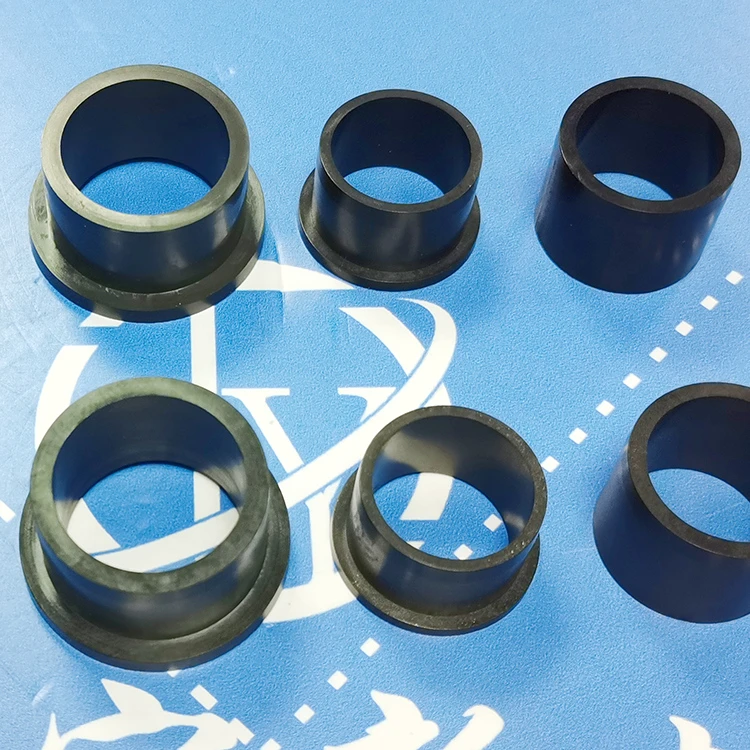
When considering the overall performance of a radome system, it is also important to look at related products that can complement the paint selection. For instance, Self - lubricating Sliding Bearings can be used in the mechanical components of the radar system. These bearings offer low friction and high wear resistance, which can contribute to the smooth operation of the radar equipment inside the radome.
Single Screw Compressor - Star Wheel is another important component. In some radar systems, compressors are used for cooling or other functions. The star wheel in a single - screw compressor needs to be made of high - performance materials to ensure efficient operation. High - quality materials used in the star wheel can enhance the reliability and performance of the compressor, which in turn affects the overall performance of the radar system.
Analytical Instrument Accessories can also play a role in the operation of the radar system. These accessories are often used for calibration and measurement, ensuring the accuracy of the radar's data. Using high - quality analytical instrument accessories can improve the precision and reliability of the radar system, making it more effective in its intended applications.
Conclusion and Call to Action
Selecting the right paint for a radome is a complex decision that requires careful consideration of various factors, including electrical properties, environmental resistance, adhesion, durability, and aerodynamic properties. Epoxy, polyurethane, and silicone - based paints are all viable options, each with its own advantages and disadvantages. By choosing the appropriate paint and related products, radome suppliers can ensure that their products offer optimal performance and longevity.
If you are in the market for radomes or need advice on paint selection for your existing radomes, we are here to help. Our team of experts has extensive experience in radome design, manufacturing, and paint application. We can provide customized solutions based on your specific requirements. Contact us today to start a discussion about your radome needs and explore how we can work together to achieve the best results.

References
- "Handbook of Radar Cross Section Engineering" by Richard C. Johnson
- "Composite Materials for Aerospace Structures" by David Hull and Terry W. Clyne
- "Surface Coatings: Principles, Preparation, and Selection" by Peter P. Klemchuk