

Hey there! As a wear-resistant ring supplier, I often get asked about the manufacturing process of these nifty little components. So, I thought I'd take a few minutes to break it down for you.
Step 1: Material Selection
The first step in making wear-resistant rings is choosing the right material. There are a bunch of options out there, but some of the most common ones include metals like steel and bronze, as well as high-performance polymers. For example, PEEK (polyether ether ketone) is a super popular choice because it's got excellent wear resistance, high strength, and can handle high temperatures.
If you're interested in other PEEK products, we also offer Protective Sleeve, Self-lubricating Sliding Bearings, and Electronic Components. Each of these products benefits from the unique properties of PEEK, just like our wear-resistant rings.
Step 2: Design and Engineering
Once we've picked the material, it's time to get to the design phase. This is where we figure out the exact dimensions, shape, and specifications of the wear-resistant ring. We use advanced computer-aided design (CAD) software to create detailed 3D models. These models help us visualize the final product and make any necessary adjustments before we start manufacturing.
We take into account a bunch of factors during the design process. For example, we need to consider the operating conditions the ring will be exposed to, like the amount of pressure, temperature, and the type of contact it will have with other parts. We also look at the required level of precision and the expected lifespan of the ring.
Step 3: Cutting and Shaping
After the design is finalized, it's time to start cutting and shaping the material. The method we use depends on the material we've chosen.
If we're working with metal, we might use processes like machining, forging, or casting. Machining involves using tools like lathes, mills, and drills to remove material and create the desired shape. Forging is a process where we heat the metal and then use presses or hammers to shape it. Casting, on the other hand, involves pouring molten metal into a mold and letting it cool and solidify.
When it comes to polymers like PEEK, we often use injection molding. This process involves melting the polymer and then injecting it into a mold under high pressure. The mold is designed to have the exact shape of the wear-resistant ring. Once the polymer cools and solidifies, we remove the ring from the mold.
Step 4: Heat Treatment (for Metals)
If we're making wear-resistant rings from metal, heat treatment is an important step. Heat treatment can improve the hardness, strength, and wear resistance of the metal.
There are different types of heat treatment processes, such as annealing, quenching, and tempering. Annealing involves heating the metal to a specific temperature and then slowly cooling it. This process helps to relieve internal stresses and make the metal more ductile. Quenching, on the other hand, involves rapidly cooling the heated metal. This makes the metal harder but can also make it more brittle. That's why we often follow quenching with tempering, which involves reheating the metal to a lower temperature to reduce the brittleness.
Step 5: Surface Finishing
Surface finishing is crucial for wear-resistant rings. It can improve the ring's performance and durability. There are several surface finishing techniques we might use.
One common technique is grinding. Grinding involves using abrasive wheels to remove small amounts of material from the surface of the ring, making it smoother and more precise. Another technique is polishing, which gives the ring a shiny, smooth surface. This can reduce friction and improve the ring's resistance to wear.
We might also apply coatings to the surface of the ring. Coatings can provide additional protection against wear, corrosion, and other types of damage. For example, we might apply a hard chrome coating or a ceramic coating.
Step 6: Quality Control
Quality control is an ongoing process throughout the manufacturing of wear-resistant rings, but it's especially important at the end. We use a variety of inspection methods to ensure that the rings meet our high standards.
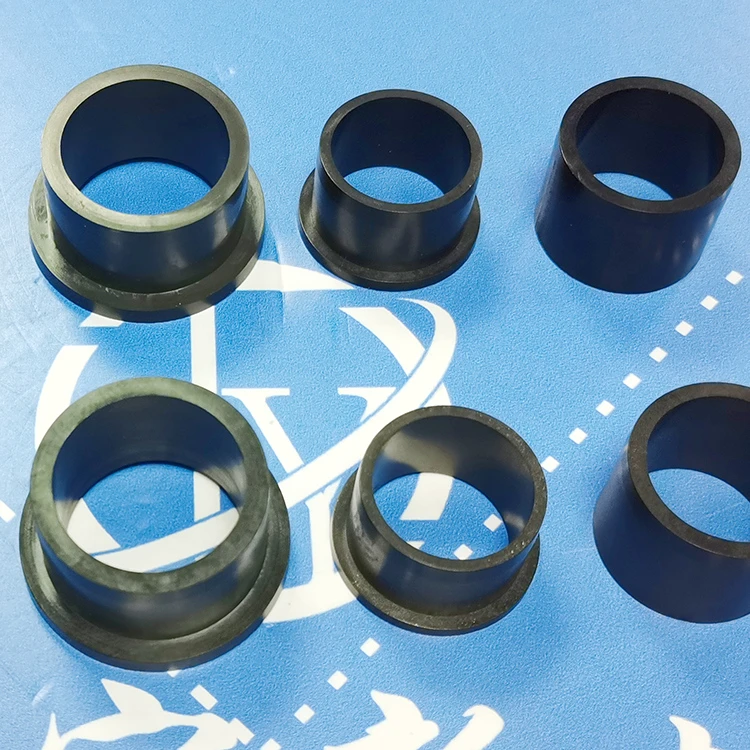

We measure the dimensions of the rings using precision measuring tools like calipers and micrometers. We also check the surface finish to make sure it's smooth and free of defects. In addition, we might perform tests to evaluate the ring's hardness, strength, and wear resistance.
If a ring doesn't meet our quality standards, we either rework it or scrap it. We don't want to send out any subpar products to our customers.
Step 7: Packaging and Shipping
Once the wear-resistant rings have passed all the quality control checks, it's time to package them. We use high-quality packaging materials to protect the rings during shipping. We want to make sure they arrive at our customers' locations in perfect condition.
We offer different shipping options to meet our customers' needs. Whether you need your order to arrive quickly or you're looking for a more cost-effective shipping method, we've got you covered.
Why Choose Our Wear-Resistant Rings?
There are a few reasons why you should consider choosing our wear-resistant rings. First of all, we use the highest quality materials and the latest manufacturing techniques. This ensures that our rings are durable, reliable, and perform well in a variety of applications.
Secondly, we have a team of experienced engineers and technicians who are dedicated to producing the best possible products. They pay attention to every detail, from the design phase to the final quality control check.
Finally, we offer excellent customer service. If you have any questions or concerns about our wear-resistant rings, our team is here to help. We'll work with you to find the right solution for your specific needs.
If you're interested in purchasing our wear-resistant rings or have any questions about our manufacturing process, don't hesitate to get in touch. We're always happy to discuss your requirements and provide you with a quote. Let's start a conversation and see how our wear-resistant rings can benefit your business.
References
- Smith, J. (2020). "Advanced Manufacturing Techniques for Wear-Resistant Components." Journal of Manufacturing Science.
- Johnson, A. (2019). "Materials Selection for Wear-Resistant Applications." Materials Engineering Review.
- Brown, C. (2021). "Surface Finishing for Improved Wear Resistance." Surface Technology Journal.