

What are the regulatory certifications for a five - nozzle connector?
As a supplier of Five - nozzle Connectors, I've often been asked about the various regulatory certifications that these connectors need to comply with. In this blog, I'll delve into the key regulatory certifications and their significance in the industry.
Understanding the Importance of Regulatory Certifications
Regulatory certifications are not just pieces of paper; they represent a commitment to quality, safety, and compliance. In the case of five - nozzle connectors, which are used in a wide range of applications from industrial machinery to medical devices, these certifications ensure that the products meet specific standards set by national and international bodies.
Key Regulatory Certifications for Five - Nozzle Connectors
ISO Standards
The International Organization for Standardization (ISO) has developed a series of standards that are widely recognized across the globe. For five - nozzle connectors, ISO 9001 is of particular importance. ISO 9001 is a quality management system standard that focuses on ensuring that a company has effective processes in place to consistently provide products that meet customer and regulatory requirements. By obtaining ISO 9001 certification, we as a supplier demonstrate our commitment to quality control at every stage of the production process, from raw material sourcing to final product inspection.
Another relevant ISO standard is ISO 13485 for medical applications. If our five - nozzle connectors are used in medical devices, compliance with ISO 13485 is essential. This standard is specific to the medical device industry and emphasizes risk management, traceability, and regulatory compliance. It ensures that the connectors used in medical equipment meet the high - level safety and performance requirements necessary for patient well - being.
CE Marking
The CE marking is a mandatory conformity marking for products sold in the European Economic Area (EEA). It indicates that a product meets all the relevant EU health, safety, and environmental protection requirements. For five - nozzle connectors, CE marking ensures that the product can be freely traded within the EEA without facing additional barriers. To obtain CE marking, we need to evaluate the relevant EU directives, such as the Machinery Directive or the Low Voltage Directive, depending on the application of the connectors. This involves a comprehensive assessment of the product's design, manufacturing process, and safety features.
UL Certification
Underwriters Laboratories (UL) is a well - known independent safety science company in the United States. UL certification is highly regarded and can open up the US market for our five - nozzle connectors. UL assesses products to ensure they meet specific safety standards. For example, UL 508 is a standard for industrial control equipment. If our connectors are used in industrial control systems, achieving UL 508 certification demonstrates that the connectors can operate safely in such environments, reducing the risk of electrical hazards and equipment failures.
Impact of Certifications on Product Quality and Marketability
The regulatory certifications we hold have a direct impact on the quality of our five - nozzle connectors. For instance, ISO 9001 certification drives us to implement strict quality control measures. This means that we carefully select our suppliers, conduct regular inspections during production, and perform thorough testing on the finished products. As a result, our connectors are more reliable and have a lower defect rate.
From a marketability perspective, these certifications are powerful marketing tools. Customers, especially large corporations and those in regulated industries, often require suppliers to have specific certifications. For example, a medical device manufacturer will only source five - nozzle connectors from a supplier with ISO 13485 certification. By having the relevant certifications, we can expand our customer base and enter new markets both domestically and internationally.

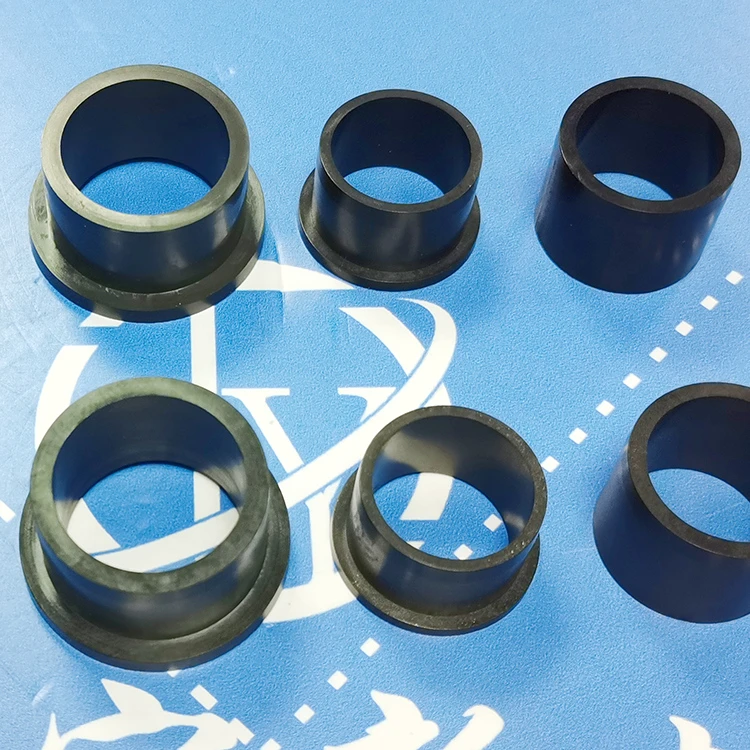
Related Products and Their Significance
In addition to five - nozzle connectors, we also have a range of related products that are equally important in various industries. For example, Self-lubricating Sliding Bearings are often used in conjunction with our connectors in industrial machinery. These bearings can reduce friction and wear, ensuring smooth operation of the equipment. The use of self - lubricating materials also reduces maintenance requirements and extends the lifespan of the machinery.
Magnetic Pump Isolation Sleeve is another critical product. In applications where pumps are used to transport corrosive or hazardous fluids, the isolation sleeve provides a barrier between the fluid and the pump's magnetic drive system. This not only protects the pump but also ensures the safety of the surrounding environment.
Wear-resistant Ring is also an essential component. It can be used in conjunction with our five - nozzle connectors to improve the overall durability and performance of the equipment. These rings are designed to withstand high levels of abrasion and wear, making them ideal for use in demanding industrial applications.
Conclusion
In conclusion, regulatory certifications play a crucial role in the world of five - nozzle connectors. They ensure product quality, safety, and compliance with international standards. As a supplier, we take pride in obtaining and maintaining these certifications. Our commitment to quality is reflected not only in our five - nozzle connectors but also in our related products such as self - lubricating sliding bearings, magnetic pump isolation sleeves, and wear - resistant rings.
If you are in the market for high - quality five - nozzle connectors or any of our related products, we invite you to contact us for a procurement discussion. We are eager to work with you to meet your specific requirements and provide you with the best possible solutions.
References
- International Organization for Standardization (ISO). (n.d.). ISO standards overview. Retrieved from [ISO official website]
- European Union. (n.d.). CE marking regulations. Retrieved from [EU official website]
- Underwriters Laboratories (UL). (n.d.). UL certification guidelines. Retrieved from [UL official website]