

How does the manufacturing process affect the wear resistance of a ring?
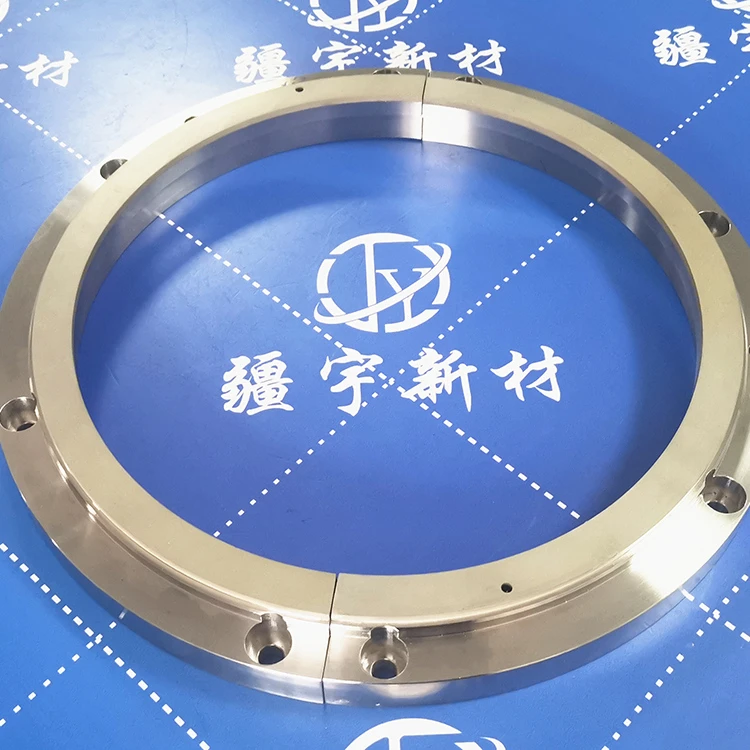
As a supplier of wear-resistant rings, I've witnessed firsthand the profound impact that the manufacturing process has on the wear resistance of these essential components. Wear-resistant rings are used in a wide range of industries, from automotive and aerospace to industrial machinery and consumer products. Their ability to withstand friction, abrasion, and other forms of wear is crucial for ensuring the longevity and reliability of the equipment they are used in.
The manufacturing process of a wear-resistant ring begins with the selection of the appropriate materials. The choice of material depends on several factors, including the specific application, the operating conditions, and the desired level of wear resistance. Common materials used for wear-resistant rings include metals, ceramics, polymers, and composites. Each material has its own unique properties and characteristics that can affect the wear resistance of the ring.
For example, metals such as steel and stainless steel are known for their high strength and durability. They are often used in applications where the ring needs to withstand high loads and stresses. However, metals can also be prone to corrosion and wear, especially in harsh environments. To improve the wear resistance of metal rings, they can be treated with various surface coatings or heat treatments. These treatments can enhance the hardness, toughness, and corrosion resistance of the ring, making it more resistant to wear.
Ceramics, on the other hand, are known for their excellent hardness and wear resistance. They are often used in applications where the ring needs to withstand high temperatures, abrasion, and chemical corrosion. However, ceramics can be brittle and prone to cracking, especially under high loads or impact. To overcome these limitations, ceramics can be reinforced with fibers or other materials to improve their toughness and strength.
Polymers and composites are also popular materials for wear-resistant rings. They are lightweight, flexible, and have excellent chemical resistance. Polymers such as PEEK (polyetheretherketone) and UHMWPE (ultra-high-molecular-weight polyethylene) are commonly used in applications where the ring needs to be self-lubricating and have low friction. Composites, which are made by combining two or more materials, can offer a unique combination of properties, such as high strength, stiffness, and wear resistance.
Once the material has been selected, the next step in the manufacturing process is to shape the ring. This can be done using a variety of techniques, including machining, casting, forging, and molding. Each technique has its own advantages and disadvantages, and the choice of technique depends on the specific requirements of the ring.
Machining is a common method for shaping wear-resistant rings. It involves using cutting tools to remove material from a workpiece to create the desired shape. Machining can be used to produce rings with high precision and accuracy, but it can also be time-consuming and expensive.
Casting is another method for shaping wear-resistant rings. It involves pouring molten metal or other materials into a mold to create the desired shape. Casting can be used to produce rings with complex shapes and geometries, but it can also be prone to defects such as porosity and shrinkage.
Forging is a process that involves shaping a metal workpiece by applying pressure and heat. Forging can be used to produce rings with high strength and durability, but it can also be limited in terms of the size and shape of the ring.
Molding is a process that involves shaping a polymer or composite material by applying heat and pressure. Molding can be used to produce rings with high precision and accuracy, and it can also be used to produce rings with complex shapes and geometries.
After the ring has been shaped, the next step in the manufacturing process is to finish the ring. This can involve a variety of techniques, including grinding, polishing, and coating. Finishing the ring can improve its surface smoothness, hardness, and wear resistance.
Grinding is a process that involves using abrasive materials to remove material from the surface of the ring. Grinding can be used to improve the surface finish of the ring and to remove any rough edges or burrs.
Polishing is a process that involves using a polishing compound to smooth the surface of the ring. Polishing can be used to improve the appearance of the ring and to reduce friction and wear.
Coating is a process that involves applying a thin layer of material to the surface of the ring. Coating can be used to improve the wear resistance, corrosion resistance, and other properties of the ring. Common coatings used for wear-resistant rings include hard chrome, nickel, and diamond-like carbon (DLC).
In addition to the material selection, shaping, and finishing processes, the manufacturing process of a wear-resistant ring can also be affected by other factors, such as the design of the ring, the manufacturing environment, and the quality control measures.
The design of the ring can have a significant impact on its wear resistance. For example, the shape and size of the ring can affect the distribution of stress and the contact area between the ring and the mating surface. A well-designed ring can reduce the wear and tear on the ring and the mating surface, improving the overall performance and longevity of the equipment.
The manufacturing environment can also affect the wear resistance of the ring. For example, the temperature, humidity, and cleanliness of the manufacturing environment can affect the quality of the material and the performance of the manufacturing processes. A clean and controlled manufacturing environment can help to ensure the quality and consistency of the wear-resistant rings.
Quality control measures are also essential for ensuring the wear resistance of the ring. Quality control measures can include inspection, testing, and certification. Inspection can be used to detect any defects or irregularities in the ring, while testing can be used to evaluate the performance and wear resistance of the ring. Certification can be used to ensure that the ring meets the required standards and specifications.
In conclusion, the manufacturing process has a significant impact on the wear resistance of a ring. The selection of the appropriate materials, the shaping and finishing processes, the design of the ring, the manufacturing environment, and the quality control measures all play a crucial role in determining the wear resistance of the ring. As a supplier of wear-resistant rings, we are committed to using the latest manufacturing technologies and techniques to produce high-quality rings that meet the needs of our customers.
If you are interested in purchasing wear-resistant rings or other related products, such as Wear-Resistant Composite Slide Plate, High-speed Blower Impeller, and Self-lubricating Sliding Bearings, please feel free to contact us for further information and to discuss your specific requirements. We look forward to working with you to provide the best solutions for your needs.

References
- Dooner, M. (2009). Tribology: Friction and Wear of Engineering Materials. Elsevier.
- Holmberg, K., & Erdemir, A. (2017). Influence of Tribology on Global Energy Consumption, Costs and Emissions. Friction, 5(2), 181 - 191.
- Bhushan, B. (2013). Principles and Applications of Tribology. Wiley.